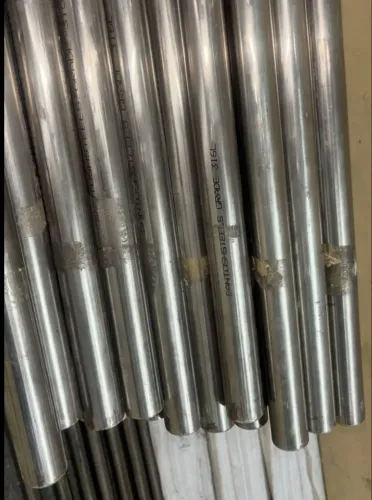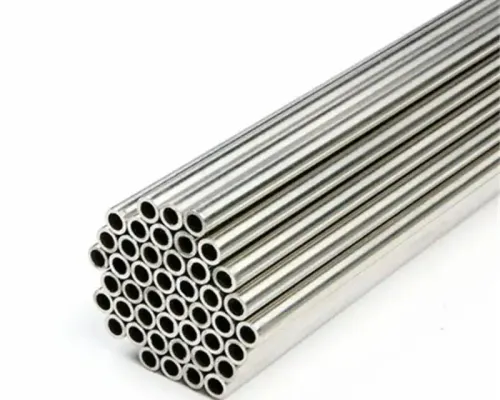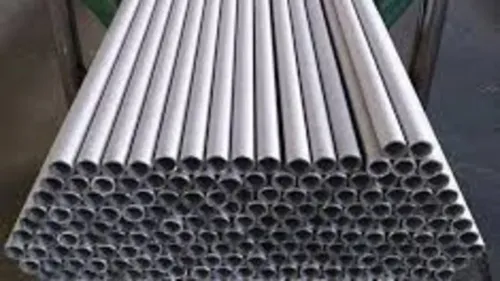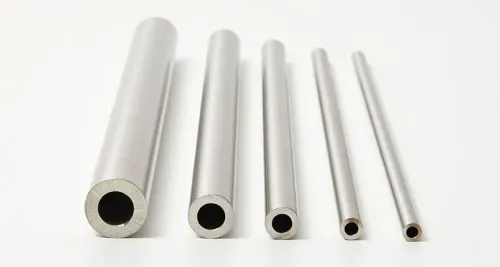

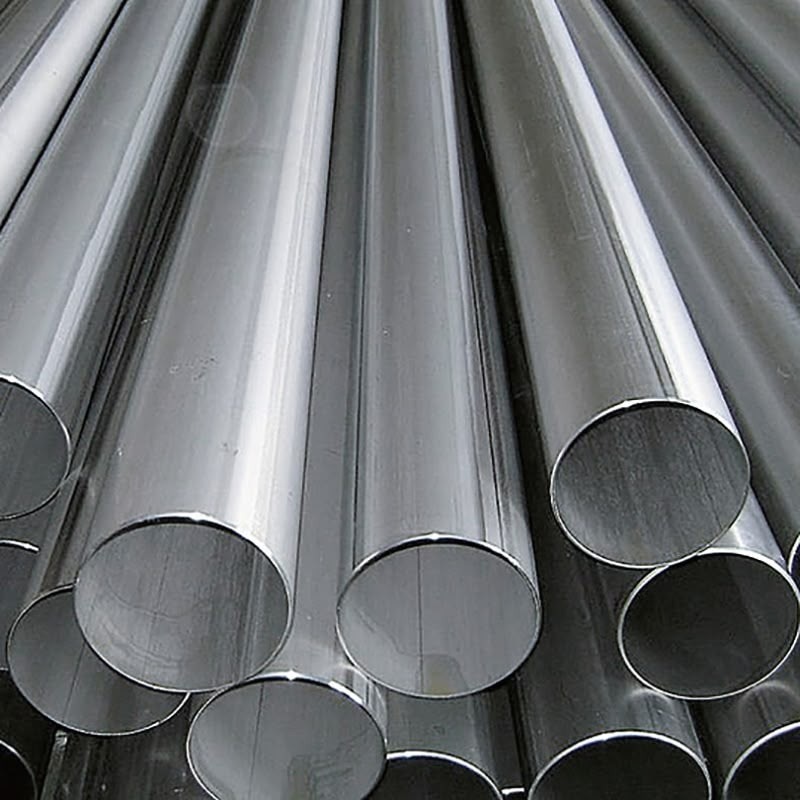
Choosing between seamless and welded stainless steel products requires more than comparing labels. By matching the manufacturing route to pressure, temperature, diameter, corrosion exposure, cleanliness, inspection and budget, you can specify a product that is fit for service rather than simply expensive or familiar.
Key takeaways
- Choose welded pipe for efficient large-diameter, thin-wall and long-length production.
- Choose seamless construction when eliminating a longitudinal weld supports the service risk assessment.
- Specify outside diameter, wall thickness, grade, finish, standard and test requirements.
- Inspect weld quality, heat treatment, corrosion control and traceability—not just the product label.
How Manufacturing Route Changes Performance, Cost and Inspection
Manufacturing route changes where risk, cost and inspection effort sit. Welded pipe starts from strip or plate, then forms and joins it along a longitudinal seam; seamless tube is pierced and rolled or drawn without that weld. Seamless manufacture usually costs more, while welded production is efficient for large diameters, thin walls and long lengths.
| Option | Performance and inspection effect | Cost implication |
|---|---|---|
| Seamless | Removes the longitudinal weld and its local metallurgy from the design. That simplifies weld-related qualification and examination for small-diameter, high-pressure, high-temperature or cyclic service, but it does not guarantee a higher allowable pressure. | Manufacturing carries a premium, especially at large diameters or with tight tolerances and extensive testing. |
| Welded | The seam requires qualified welding controls, heat treatment or solution annealing where specified, and examination such as radiography or ultrasonic testing. A compliant weld is not automatically a service weakness. | Strip or plate processing usually lowers production cost and expands size availability. |
| Either route | Corrosion resistance depends on alloy grade, surface finish, thermal history, chloride exposure and contamination control—not the label alone. | Installed cost can favour seamless construction when it reduces field repairs, special fittings, inspection or failure consequences. |
ASTM A312 covers both seamless and straight-seam welded austenitic stainless steel pipe for general corrosive and high-temperature service. Compare the complete specification: grade, route, heat treatment, weld examination, acceptance tests and dimensions. That is the practical basis for judging SS seamless tubes versus welded pipes benefits, rather than assuming one route is always superior.
When Seamless or Welded Construction Fits the Service
Choose seamless tubes or welded pipes by service risk, not by the label alone. For small-diameter, high-pressure, high-temperature or cyclic duty, seamless pipe for industrial applications removes the longitudinal weld from the design and reduces weld-zone qualification and inspection concerns.
That does not prove every seamless pipe has a higher pressure rating than every welded pipe.
| Service | Preferred construction | Decision basis |
|---|---|---|
| Pressure | Seamless for critical duty; welded for suitable moderate-duty systems | Compare grade, wall, temperature, pressure rating and required testing. ASTM A312 covers compliant seamless and straight-seam welded austenitic pipe. |
| Structural | Welded | Large diameters, efficient fabrication and lower cost usually matter more than eliminating a weld. |
| Thermal | Either, matched to duty | Use seamless for severe cycling or high temperature; use welded when weld examination and heat treatment meet the specification. |
| Chemical | Either, matched to corrosion risk | Grade, surface condition, weld quality and cleaning determine performance. A welded pipe is not inherently inferior. |
| Hygienic or instrumentation | Either | Prioritise roughness, cleanliness, ovality, concentricity, weld-bead condition and end preparation. ASTM A269 covers many austenitic tubing requirements. |
| Utility lines | Welded | It suits many low- and moderate-pressure services and larger diameters at lower production cost. |
Specify ASTM A358 class for large-diameter electric-fusion-welded pipe; its classes set different radiography and supplementary testing. Your order must state pipe or tube, standard edition, grade, dimensions, heat treatment, finish, weld examination, hydrostatic or eddy-current testing and tolerances. Seamless costs more, but can reduce field repairs and inspection in a critical installation.
Why Size, Terminology and Standards Matter More Than the Label
A tube ordered by actual outside diameter and wall thickness is not interchangeable with nominal pipe ordered by NPS and schedule. ASME B36.19M defines stainless pipe dimensions and schedules such as 5S, 10S, 40S and 80S; a matching-looking diameter can still have a different wall, tolerance and pressure basis.
| Option | Dimension basis | Pressure-selection consequence |
|---|---|---|
| Seamless or welded pipe | NPS, schedule and ASME B36.19M dimensions | Compare the specified schedule, material grade, design temperature and allowable pressure |
| Tube | Actual OD, wall thickness and tube specification | Confirm the calculated pressure capacity and dimensional fit rather than substituting a pipe schedule |
ASTM A312 covers seamless and straight-seam welded austenitic stainless pipe, so a compliant welded product is not automatically inferior.
Seamless steel pipe benefits include removing the longitudinal weld from the design and its weld-zone qualification, inspection and localized metallurgy; that supports risk control for small diameters, high pressure, high temperature and cyclic duty, but does not give every seamless pipe a higher allowable pressure.
Use ASTM A269 for general-service austenitic tubing, and specify the ASTM A358 class when ordering large-diameter electric-fusion-welded pipe. Put these details on the purchase order:
- Identify pipe or tube, governing standard and edition, alloy grade, NPS or actual OD and wall, schedule where applicable, heat-treatment condition, surface finish, weld-examination level, hydrostatic or eddy-current testing, dimensional tolerances, end preparation, marking and required certification.
For hygienic or precision service, internal roughness, cleanliness, ovality, concentricity, weld-bead condition and end preparation can matter more than the seamless label.
How Weld Quality, Corrosion Control and Testing Change the Result
The decisive controls are not the words seamless or welded; they are the alloy, heat treatment, surface condition, weld integrity and acceptance tests written into the order.
- Confirm the grade and heat-treatment condition. Solution annealing restores corrosion resistance and ductility after welding; uncontrolled heat input can leave sensitised areas vulnerable to intergranular attack and reduce fatigue life.
- Specify weld examination. For large-diameter electric-fusion-welded pipe, ASTM A358 classes define different combinations of radiography and supplementary testing. “Welded stainless pipe” alone does not identify the required class.
- Require hydrostatic or nondestructive electrical testing where the governing standard calls for it. ASTM A312 covers compliant seamless and straight-seam welded austenitic pipe, while ASTM A269 covers general-service tubing.
- Control the surface after manufacture. Pickling and passivation remove heat tint and iron contamination; roughness, weld-bead condition and cleanliness matter sharply in hygienic and precision-fluid service.
- Check dimensions and finishing details. Ovality, wall variation, concentricity, end preparation and marking affect fit-up, fatigue stress and local overheating.
A seamless tube removes the longitudinal weld as a potential inspection point, but it is not automatically more corrosion-resistant. Chloride concentration, operating temperature, alloy composition, surface finish and contamination from carbon-steel tools can dominate the outcome.
For welded products, request weld maps, examination records, heat-treatment details and test certificates. Put the standard edition, grade, dimensions, finish and acceptance criteria in the purchase order; otherwise a cheaper, non-interchangeable product can pass under a vague “stainless” description.
A Specification Checklist for Choosing the Right Product
Do not write “stainless seamless/welded” as the principal requirement. State the product identity, governing standard and edition, alloy, dimensions, service conditions, and acceptance tests so a quotation cannot substitute a different product.
| Decision point | Put in the purchase order | Why it matters |
|---|---|---|
| Product and route | Pipe or tube; seamless or straight-seam welded | Prevents non-interchangeable quotations |
| Standard and class | ASTM A312, with edition; or ASTM A358 with the required Class 1–5 | A358 classes change weld examination and supplementary testing |
| Size | Nominal size and schedule, or actual outside diameter and wall thickness | “6 mm tube” is incomplete without OD, wall and tolerance |
| Condition and surface | Heat-treatment condition, finish, pickling/passivation, and cleanliness | Controls corrosion, contamination and dimensional acceptance |
| Testing | Hydrostatic or eddy-current testing, weld radiography or other examination | Converts quality expectations into pass/fail requirements |
If Rajveer Metals quotes both routes, require separate line items showing the standard, grade, dimensions, testing and delivery condition for each.
Before releasing the order, confirm these details:
- State the service fluid, chloride exposure, design temperature, design pressure and corrosion allowance; use them to justify seamless construction instead of treating it as automatically stronger.
- Specify dimensional tolerances, length, end preparation, weld profile limits and any solution-annealing requirement.
- Name the required inspection documents: material test certificate, heat number, chemical analysis, mechanical results and test reports.
- Require permanent marking for grade, size, standard, heat number and manufacturer.
- Define rejection rules for leaks, failed weld examination, unacceptable surface defects, wrong wall thickness or missing traceability.
A welded product complying with ASTM A312 or the selected ASTM A358 class is not an automatic downgrade; the documented route and tests decide whether it fits your service.
Related products
 | SS Seamless tubes SS Seamless tubes SS Seamless Tubes are high-quality stainless steel tubes manufactured without any welded joints, providing excellent strength, durability, and... |
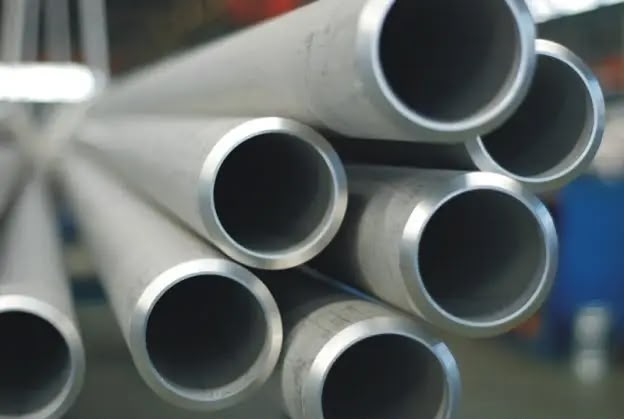 | Stainless Steel Tubes Stainless Steel 304 Seamless pipe Stainless Steel Tubes are durable, corrosion-resistant, and versatile products widely used in various industrial, commercial, and engineering... |
Frequently asked questions
What is the main manufacturing difference between seamless tubes and welded pipes?
Welded pipe is formed from strip or plate and joined along a longitudinal seam. Seamless tube is pierced and rolled or drawn without that weld.
When is welded pipe a practical choice for industrial applications?
Welded pipe suits applications where efficient production, large diameters, thin walls and long lengths matter, provided the weld and inspection requirements are satisfied.
What are the benefits of stainless steel seamless pipe?
Seamless construction removes the longitudinal weld from the pressure boundary, which can simplify risk assessment for demanding service. It usually costs more than welded production.
Which details should you include in a stainless steel pipe specification?
State the product form, outside diameter, wall thickness, stainless steel grade, finish, applicable standard, length, heat treatment, testing, inspection documents and traceability requirements.
Why do size and terminology matter when comparing tubes and pipes?
Tube and pipe use different sizing conventions. Confirm whether the requirement uses outside diameter and wall thickness or nominal pipe size and schedule before comparing quotations.
Related products
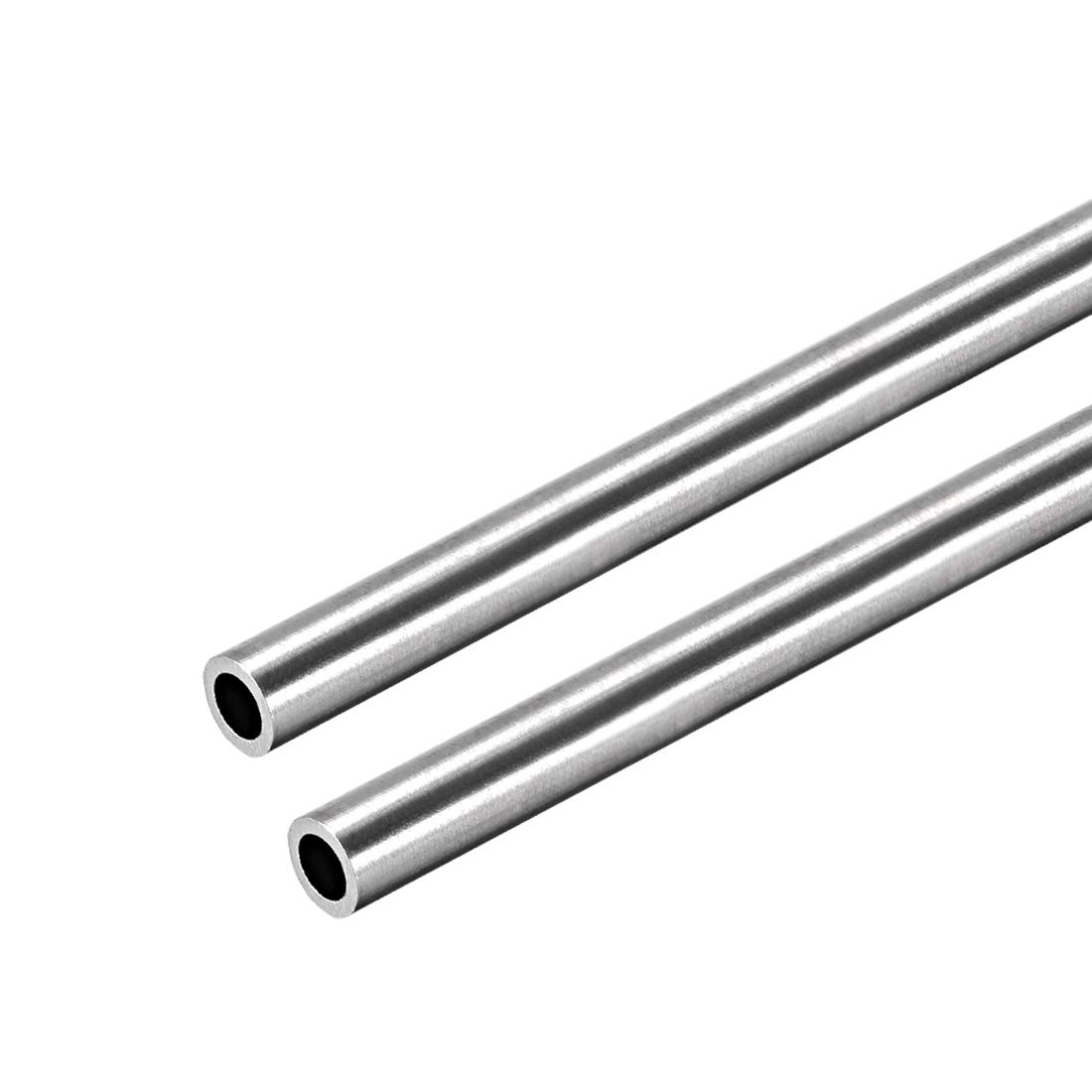 | Stainless Steel Seamless Tube 6mm Stainless steel seamless tube We offer high-quality 6mm Stainless Steel Seamless Tubes in Grade 304 and Grade 316, designed to deliver excellent corrosion resistance, durability,... |
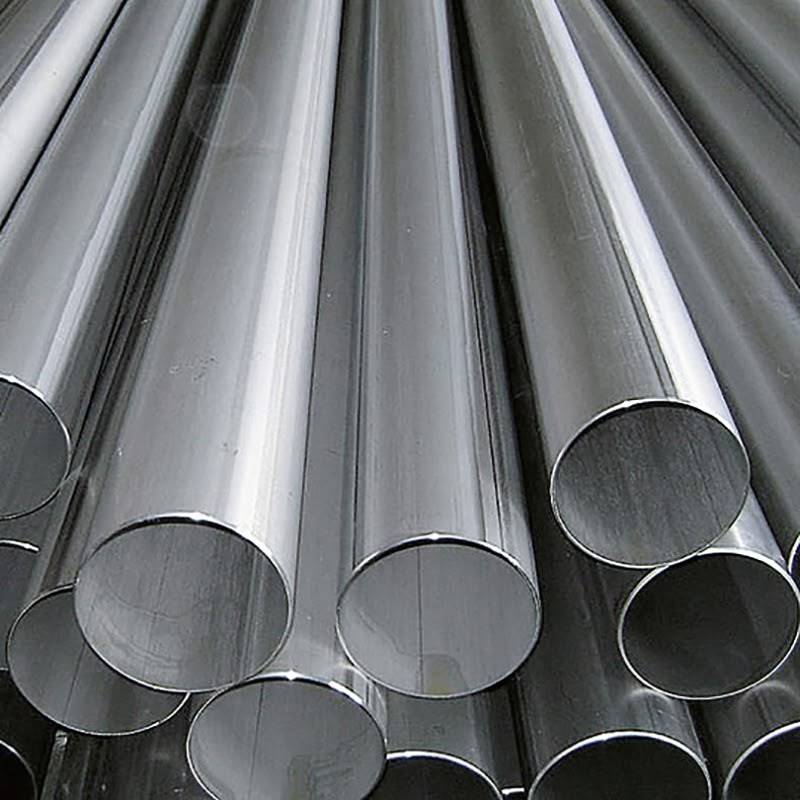 | stainless steel erw pipe Stainless steel welded pipe Rajveer metals is one of the well-known manufacturer, stockiest, stock holder and supplier of a qualitative range of Stainless Steel Welded Pipes... |
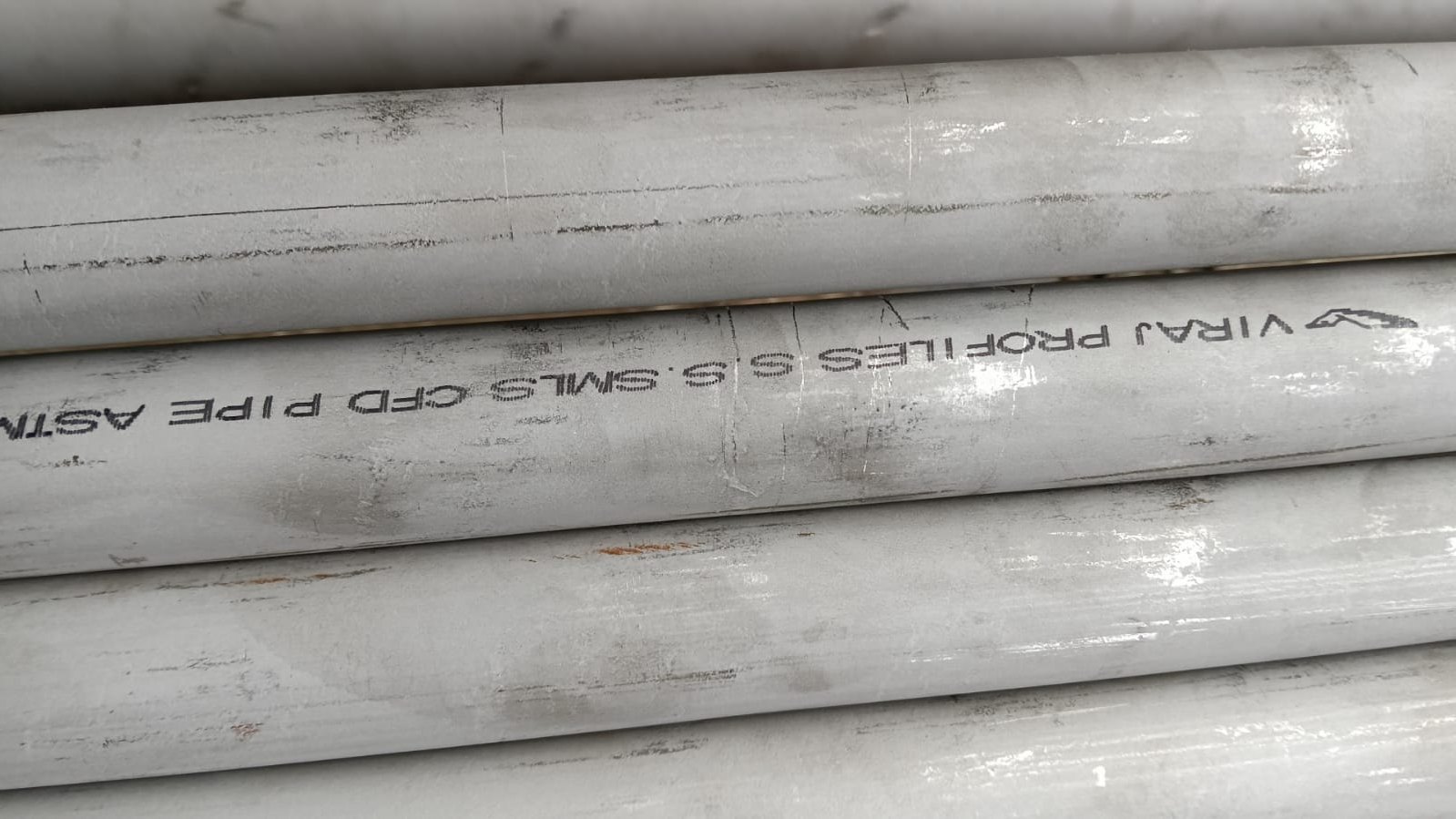 | Stainless Steel Seamless Pipe Stainless Steel Seamless Pipe 316l Stainless Steel Seamless Pipe is a high-strength and corrosion-resistant piping solution manufactured without any welded joints. |
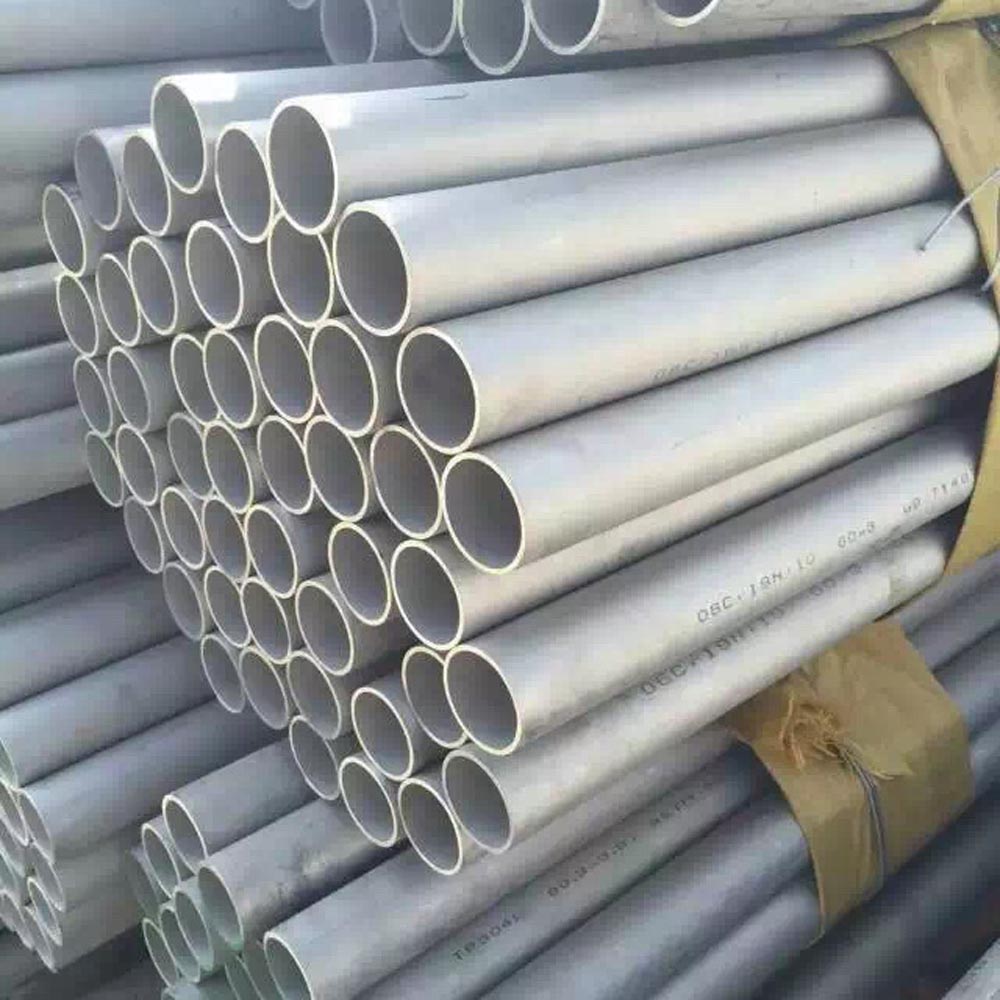 | Stainless Steel seamless pipes Stainless Steel Seamless Pipes Stainless Steel Seamless Pipe Suppliers in Mumbai, India ASTM A312m Seamless Tube, ASTM A312 SS Seamless Pipes Suppliers, Stainless Steel Pipes... |