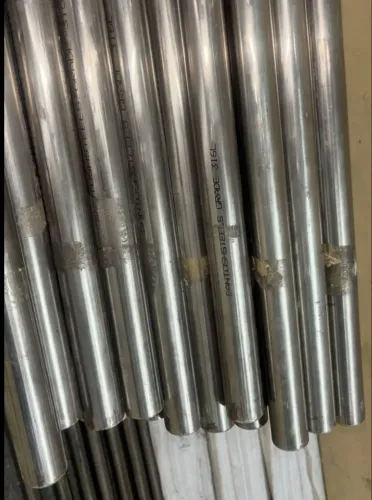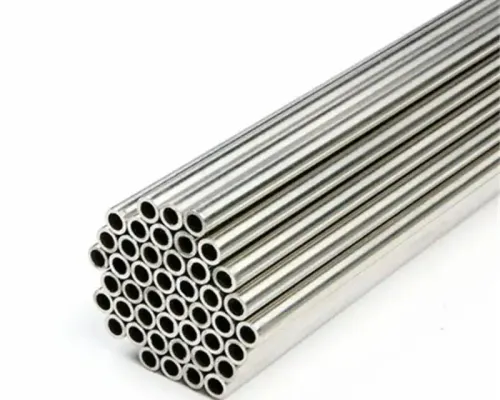

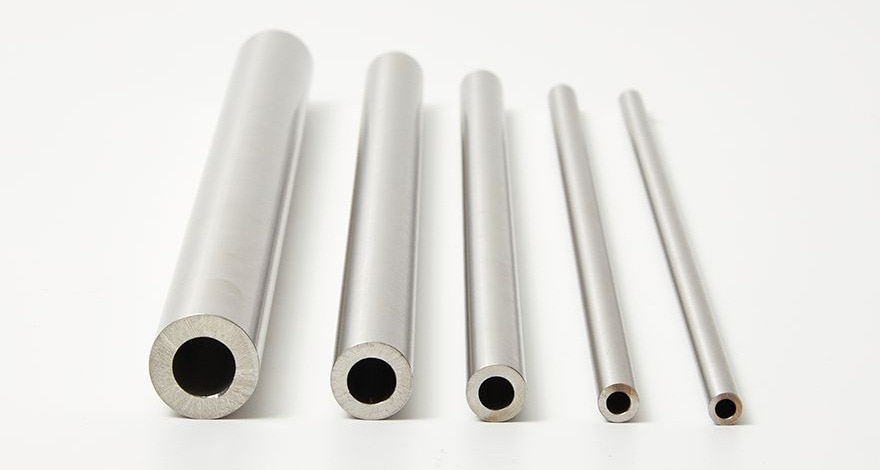
An impulse line carries a small amount of process fluid from a take-off to a pressure, differential-pressure, flow, or level instrument, so a wrong tube dimension can cause leakage, blocked measurement, or an invalid pressure rating. By the end, you can define the tube, verify its material and documents, and compare Mumbai supply options against the requirements of your instrument and process system.
Key takeaways
- Choose 316L for chloride exposure, cleanliness, and dependable compression-fitting connections.
- Match outside diameter and wall thickness to pressure, temperature, and fitting requirements.
- Request the material test certificate, heat number, chemical analysis, and test records.
- Keep tube ends capped, clean, deburred, and protected from contamination before installation.
What 316L seamless instrumentation tube does, and why the grade matters
An impulse tube connects a process take-off to a pressure, differential-pressure, flow, or level instrument, carrying a small volume of process fluid for measurement. A 316L seamless tube for instrumentation is selected when chloride exposure, cleanliness, and reliable compression-fitting connections matter.
316L contains molybdenum, which improves resistance to chloride-induced localized corrosion compared with 304L. It is not immune to pitting, crevice corrosion, or chloride stress-corrosion cracking; stagnant seawater, deposits, and tight crevices beneath fittings can still cause failure. The L designation means lower carbon.
Reduced carbon limits sensitization and intergranular-corrosion risk after welding or exposure in the carbide-precipitation range.
- Specify instrument tubing by actual outside diameter and wall thickness because compression fittings grip those dimensions. Pipe is commonly ordered by nominal size and schedule, so apparently similar tube and pipe dimensions are not automatically interchangeable.
- Do not confuse instrument tube with capillary tube, hydraulic tubing, or general-purpose process pipe. Those products can have different bore, pressure, cleanliness, bendability, surface, and dimensional requirements.
- Treat “seamless” as one construction feature: it removes the longitudinal weld seam but does not establish cleanliness, dimensional accuracy, pressure capacity, or longer service life. Correct annealing, surface condition, and fitting compatibility matter equally, and a properly manufactured welded tube can suit a project when its specification permits it.
For a purchase inquiry, state the fluid, process connection, tube OD, wall thickness, length, design pressure, temperature, and fitting system. ASTM A269/A269M is a common baseline for 316L austenitic tubing; name the exact grade and requirements rather than writing only “316L tube.”
How to select the outside diameter, wall thickness, and tube condition
Put the outside diameter, wall thickness, length, and material condition on the inquiry; add inside diameter when flow response or cleaning matters. For a 316L impulse tube in Mumbai, also state whether dimensions are metric or imperial, plus permitted OD, wall, ovality, and straightness tolerances.
Request cut lengths or a specified coil length, not simply “standard length.”
| Size | Select it when | Important caution |
|---|---|---|
| 6.35 mm OD (1/4 in) | The instrument uses common imperial compression fittings | Do not replace it with 6 mm; the ferrule grips the actual OD |
| 6 mm OD | The instrument, manifold, and fitting system are metric | A 1/4-inch ferrule is not a metric 6 mm fitting |
| 8 mm OD | The connection, required flow, or mechanical routing justifies it | The larger bore increases internal volume and can slow pressure response |
| 16 mm OD | The instrument connection or flow requirement genuinely needs it | Do not choose it only for perceived strength or availability |
Specify annealed, half-hard, or hard condition. Annealed 316L bends and flares more easily, while harder tube can resist installation and leave poor ferrule seating when it falls outside the fitting maker’s limits.
Before acceptance, measure OD, wall, ovality, and straightness against the inquiry tolerances. Inspect the bore and outside surface for the specified finish, scoring, dents, and contamination. A nominally correct tube can leak when ovality or scoring prevents uniform ferrule contact.
How to establish pressure, temperature, standards, and testing requirements
Seamless construction is not a pressure rating. Require a design calculation using outside diameter, wall thickness, material condition, operating pressure, design temperature, corrosion allowance, and the governing code. Apply ASME B31.3 where it covers the process-piping design, then confirm the instrument manufacturer’s and fitting manufacturer’s pressure and temperature limits.
| Standard | What it covers | When to consider it |
|---|---|---|
| ASTM A269/A269M | Seamless and welded austenitic stainless tubing for general corrosion-resisting, low-temperature, and high-temperature service | Usual baseline for 316L instrumentation tubing |
| ASTM A632 | Small-diameter seamless or welded stainless tubing with close dimensional and surface requirements | Instrumentation applications needing tight control |
| ASTM A213 | Specified seamless boiler, superheater, and heat-exchanger tubing | Only when that equipment specification applies; do not assume it suits instrumentation |
Put these details on the purchase order:
- Exact standard edition, 316L grade, OD, wall thickness, length, finish, heat treatment, and certification type
- Hydrostatic or pneumatic test method, test pressure, duration, and acceptance limit
- Leak-test method, nondestructive examination, sampling plan, and rejection criteria
A stainless steel impulse tube supplier should state whether construction is seamless or welded, along with OD and wall tolerances, annealed condition, surface finish, and packing method. Define each inspection separately: a pressure test cannot replace dimensional inspection or surface examination.
Specify whether tests apply to every tube or a sample, and record the acceptance criteria before manufacture.
What material and traceability documents should a Mumbai supplier provide?
Before awarding work to a 316L SS seamless tubes supplier in Mumbai, request a material test report (MTR) for every heat. It must show the heat number, chemical composition, tensile strength, yield strength, elongation, hardness, heat treatment, dimensions, and specified test results.
For 316L, check the applicable specification’s limits for chromium, nickel, molybdenum, and carbon; ASTM chemistry commonly includes Cr 16–18%, Ni 10–14%, Mo 2–3%, and carbon no higher than 0.030%.
- Match the heat number on each bundle, tag, or marked tube length to the MTR. Reject unidentified material until the supplier restores traceability.
- Request the stated ASTM or EN specification, exact edition, certificate type, seamless or welded construction, annealed condition, OD and wall tolerances, surface finish, pressure or leak testing, and packing method.
- Use X-ray fluorescence to screen chromium, nickel, and molybdenum. XRF does not reliably establish carbon, so require certificate review backed by laboratory combustion testing or another approved laboratory method when carbon verification is specified.
- Require positive material identification when an alloy mix-up could create a safety risk.
| Criterion | Evidence to compare | Why it matters |
|---|---|---|
| Construction | Seamless or welded stated on MTR and order | Prevents unsuitable substitution |
| Dimensions and condition | OD, wall tolerance, annealing, finish | Controls fitting compatibility |
| Testing and delivery | Test results, certificate, sealed packaging | Protects receipt and storage |
Include Rajveer Metals in the comparison only after its quotation meets this document list; price and delivery alone do not prove compliance.
Related products
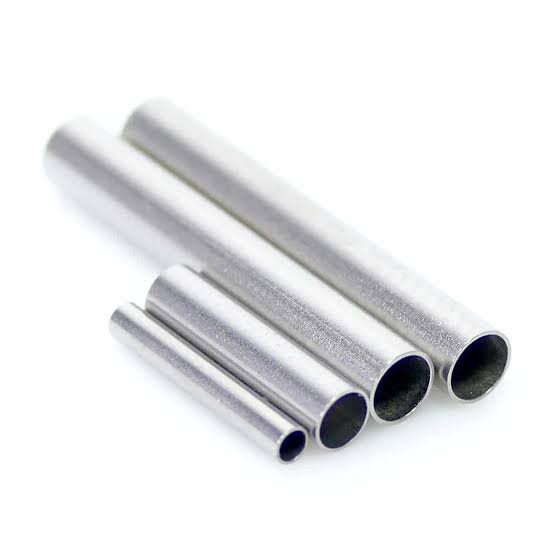 | Stainless Steel Seamless Tube Stainless steel 316L impluse tube Rajveer metals is one of the renowned exporter, manufacturer, stockist, supplier and stock holder of a qualitative range of Stainless Steel 316L... |
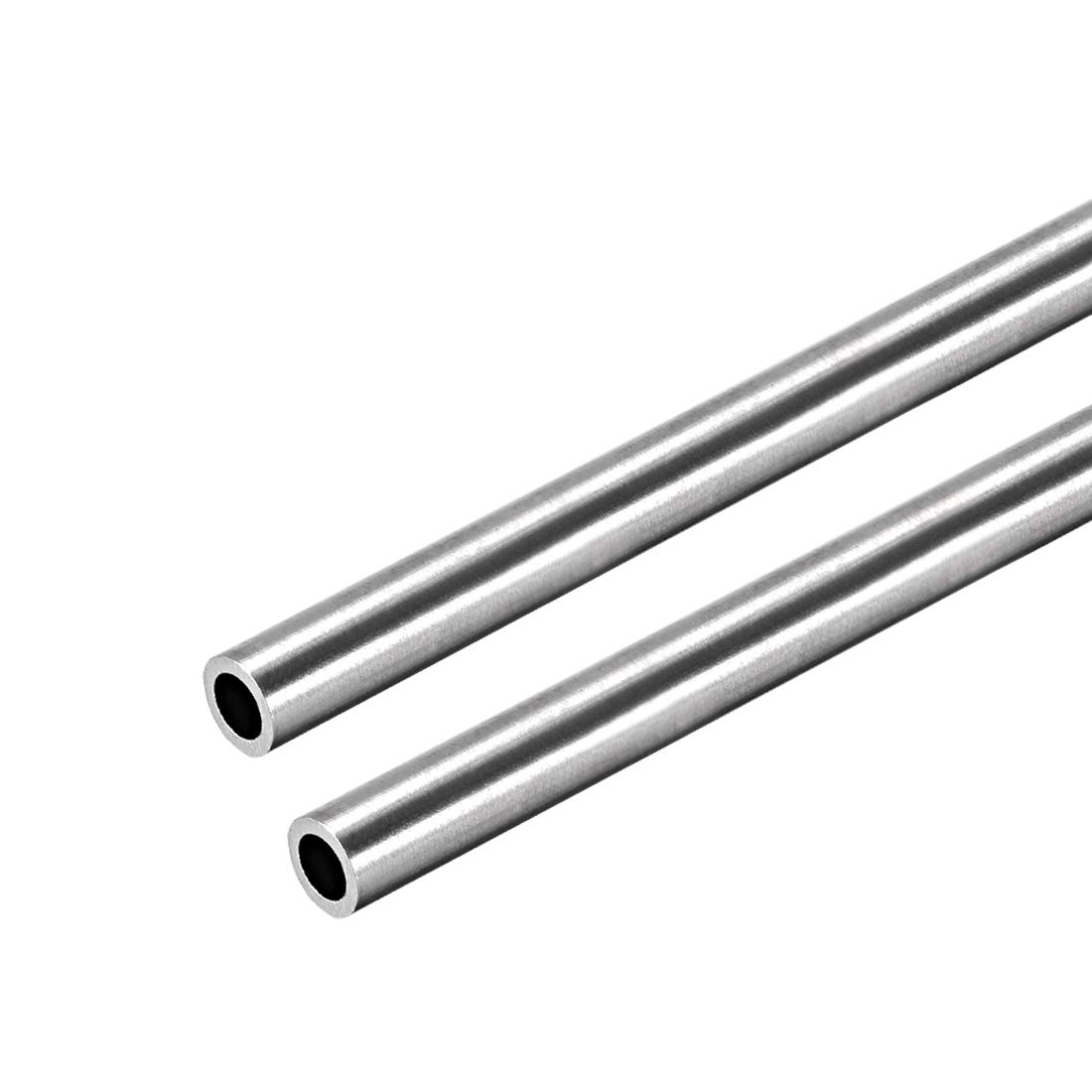 | Stainless Steel Seamless Tube 6mm Stainless steel seamless tube We offer high-quality 6mm Stainless Steel Seamless Tubes in Grade 304 and Grade 316, designed to deliver excellent corrosion resistance, durability,... |
How to prevent corrosion, contamination, and compression-fitting leaks after purchase
Cap both ends of a 316L impulse tube in Mumbai during storage and transport. Keep it away from carbon-steel swarf, chloride contamination, oil, and shop dirt. Coastal air, saline fluid, stagnant seawater, deposits, and crevices beneath clamps or fittings remain corrosion-design risks; molybdenum improves resistance over 304L but does not prevent localized attack.
Clean the bore before analyzer, hydraulic, or instrument-air service when contamination could obstruct the line or damage the instrument.
A 316L seamless tube for instrumentation can leak if its actual dimensions or condition fall outside the compression-fitting maker’s limits. Check the OD, wall thickness, hardness, roundness, and surface finish; use one manufacturer’s complete tube-and-ferrule system, and do not reuse ferrules after disassembly unless that manufacturer expressly permits it.
Before ordering, confirm:
- Process connection, manifold, valve, and transmitter
- Maximum working pressure and design temperature
- Fluid, routing length, and permitted bend radius
If welded tubing is permitted for availability or cost, compare it on the same criteria rather than treating seamless construction as automatically necessary.
| Construction | Check before acceptance | Consequence of ignoring it |
|---|---|---|
| Seamless | Dimensions, cleanliness, testing, and fitting compatibility | A seamless label does not prevent leaks or corrosion |
| Welded | Weld quality, surface condition, dimensions, testing, and fitting compatibility | A suitable welded tube can perform well; a poor weld or mismatched tube cannot |
Frequently asked questions
Why is 316L used for seamless instrumentation and impulse tubes?
316L provides better resistance to chloride-related corrosion than 304L and supports clean, reliable instrumentation connections when the tube and installation are properly specified.
How do I select the tube diameter, wall thickness, and condition?
Specify the outside diameter and wall thickness required by the instrument connection and compression fitting, then confirm pressure, temperature, bend radius, surface finish, and annealed or hard condition requirements.
Which standards and tests should I include in a 316L tube order?
State the required material standard, dimensions, pressure and temperature design basis, surface condition, hydrostatic or eddy-current testing, and any additional inspection or cleanliness requirements.
What documents should a Mumbai supplier provide for 316L seamless tubes?
Request a material test certificate linked to the heat number, chemical and mechanical results, dimensions, heat-treatment condition, test records, certificate reference, and packing or traceability details.
How can I prevent corrosion, contamination, and compression-fitting leaks?
Keep tube ends capped, prevent contact with carbon-steel debris, deburr and clean every cut, use the fitting maker’s assembly instructions, and inspect joints for correct insertion and tightening.
Related products
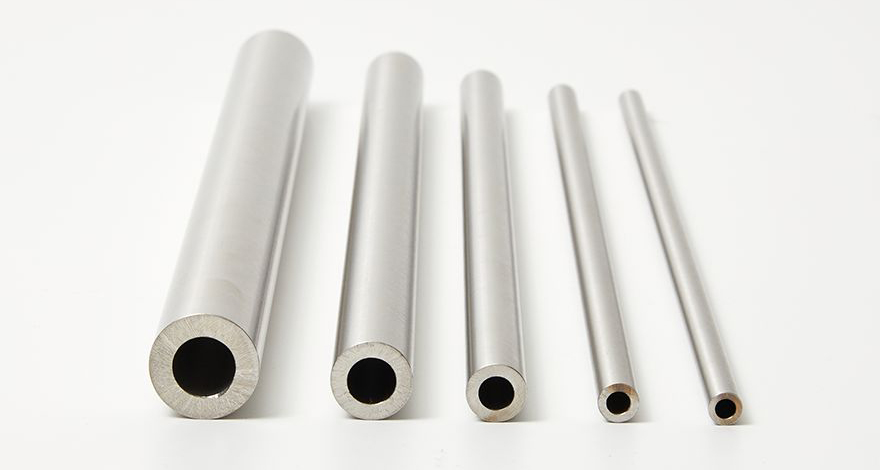 | Stainless Steel Seamless Tube 16mm stainless steel tube 316 We are stockiest & Suppliers of SS Tube 16mm OD from Mumbai, India. |
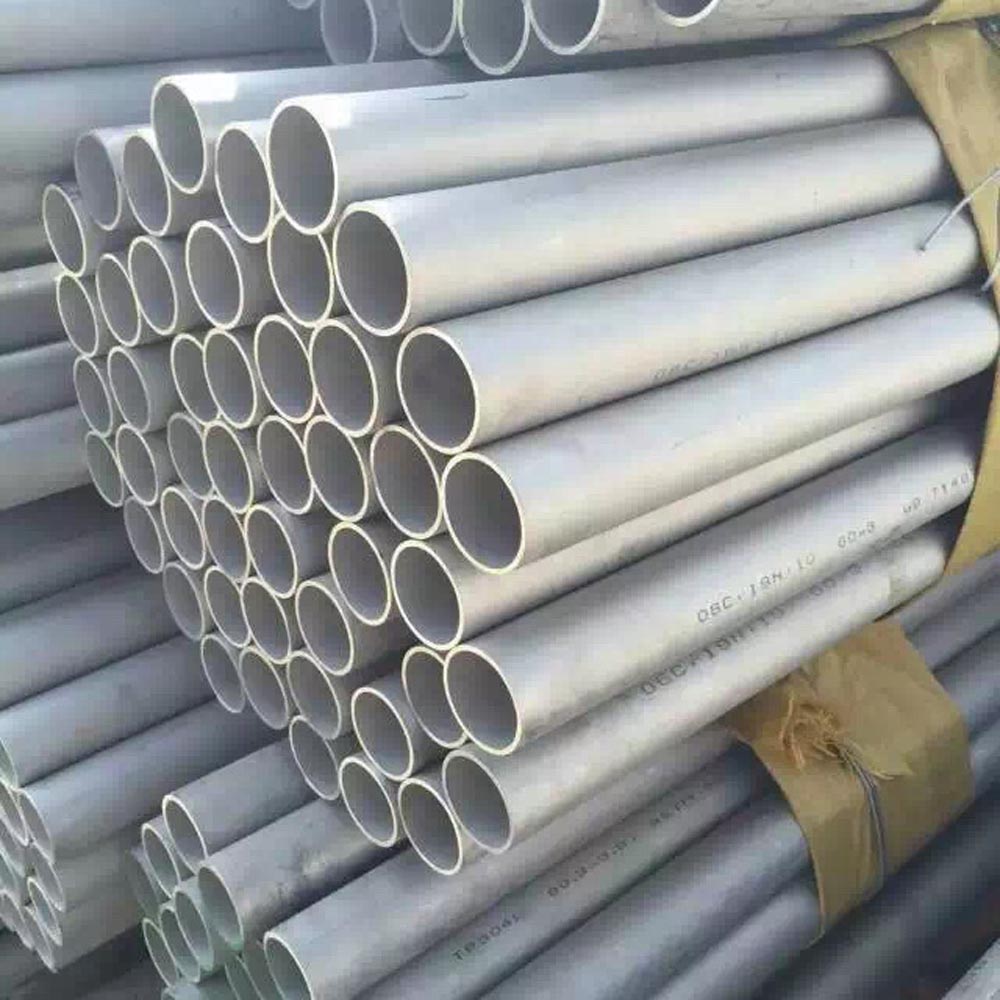 | Stainless Steel seamless pipes Stainless Steel Seamless Pipes Stainless Steel Seamless Pipe Suppliers in Mumbai, India ASTM A312m Seamless Tube, ASTM A312 SS Seamless Pipes Suppliers, Stainless Steel Pipes... |
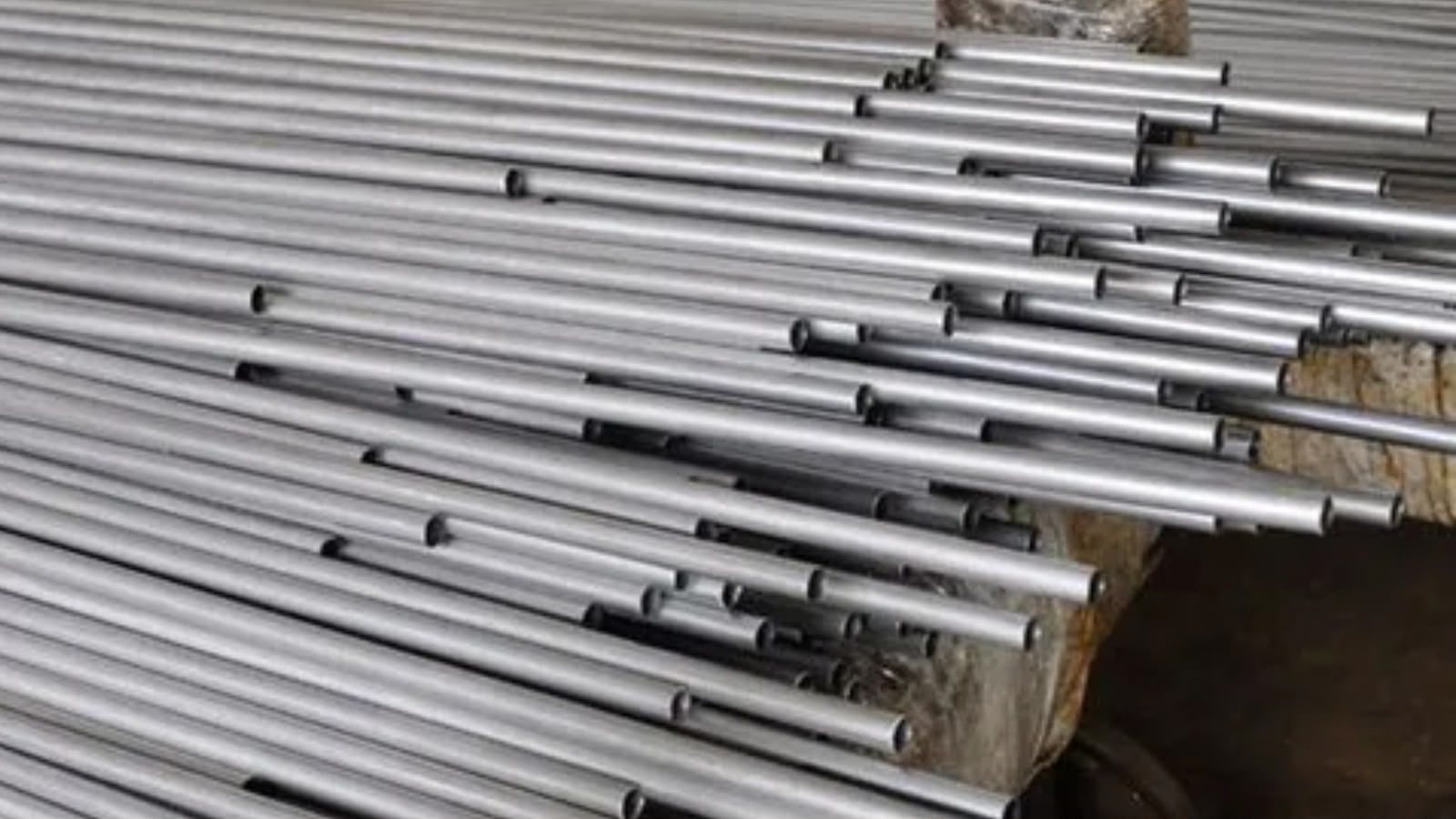 | Stainless Steel Seamless Tube 6.35mm Stainless steel seamless tube 6.35 mm SS Seamless Tubes – All Grades Premium Quality Stainless Steel Seamless Tubes in 6.35 mm Size We are a reliable supplier of 6.35 mm Stainless... |
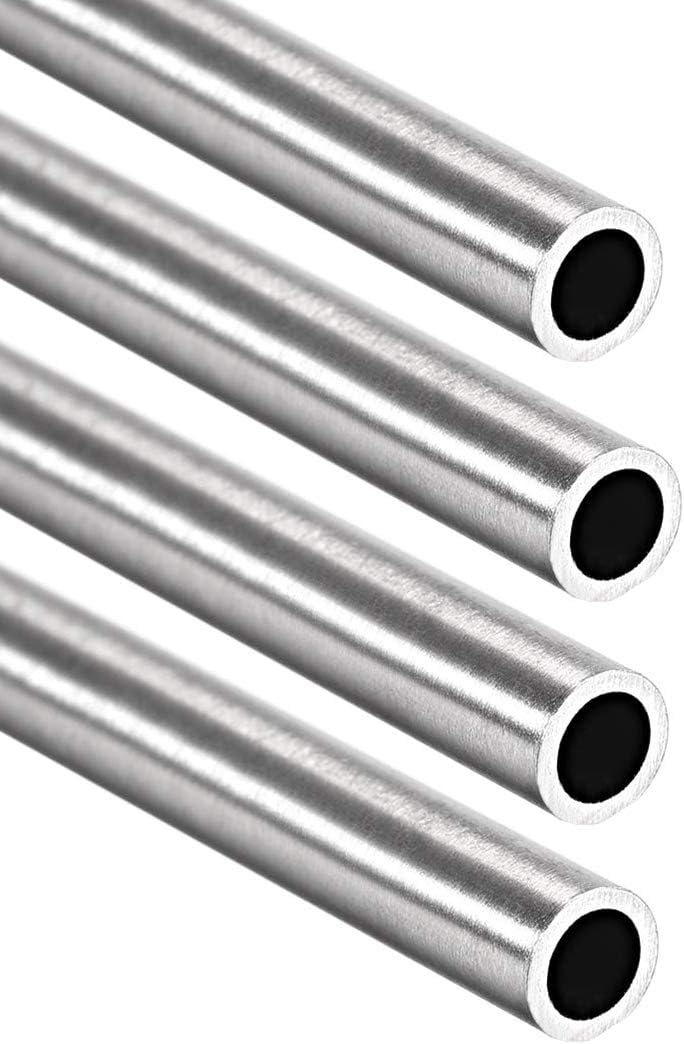 | Stainless Steel Seamless Tube 8mm Stainless steel seamless tube We are a trusted supplier of 8mm Stainless Steel Seamless Tubes in premium grades SS 304, SS 316 and SS 316L, designed to meet the demanding... |