
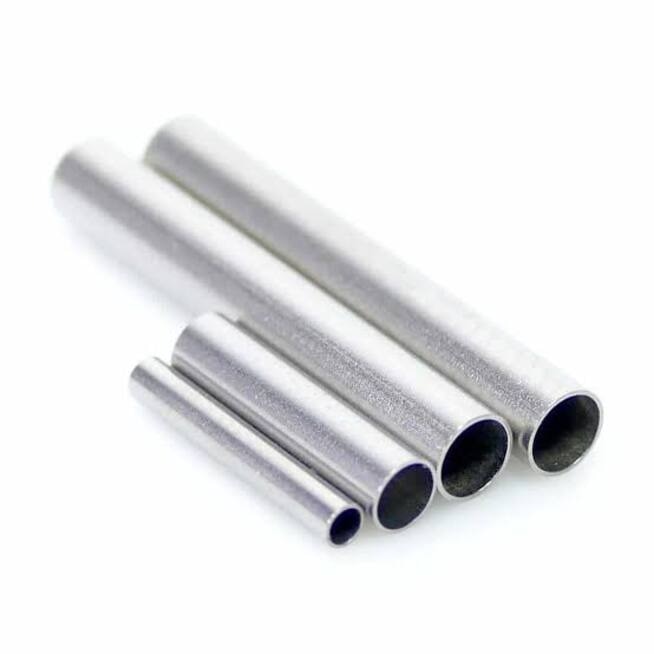
A small-bore impulse line can distort a pressure reading, plug with debris, or corrode beneath a clamp even when the transmitter itself is correctly specified. By the end, you will be able to judge whether 316L seamless tubing suits your Mumbai service, select dimensions and documentation, and compare it fairly with welded tubing and other materials.
Key takeaways
- Choose 316L for exposed Mumbai impulse lines facing chloride-rich moisture.
- Control tube dimensions and routing to protect pressure measurement accuracy.
- Request material certificates, heat numbers, inspection records and clean, capped tubing.
- Match tubing chemistry and pressure rating to seawater, chemicals and process gases.
Why 316L suits Mumbai’s exposed impulse lines
304L can work in a dry, sheltered instrument installation, but 316L is the stronger default for exposed impulse lines in Mumbai. Its molybdenum-bearing chemistry—typically 2–3% molybdenum, alongside 16–18% chromium and 10–14% nickel—improves resistance to chloride-assisted pitting compared with 304L. A carbon limit of 0.03% also supports corrosion resistance after welding.
Mumbai’s marine air deposits chloride salts on tubing. Condensation then concentrates those salts in stagnant moisture at a tube support or beneath a clamp, where 304L is more vulnerable to local attack. Industrial services add risk when process condensate contains chlorides or mildly aggressive chemicals.
316L reduces that risk; it does not make the line immune to pitting or crevice corrosion.
The alloy only delivers its advantage when the surface and installation are controlled. Heat tint, embedded carbon steel and iron contamination can create corrosion sites, so specify cleaning and passivation to ASTM A380/A380M and ASTM A967/A967M when the service demands it. Keep the impulse arrangement drained and avoid tight crevices.
For 316L SS seamless impulse tubes in Mumbai, annealed material is usually easier to route without excessive force. Follow the supplier’s minimum bend radius: over-bending can ovalize small-bore tubing and damage a compression-fitting seal. If you are comparing a stainless steel impulse tube in Mumbai, compare surface condition and bendability—not only the 316L grade marking.
How the impulse line affects pressure accuracy
Pressure reaches the transmitter through a continuous column of process fluid inside the impulse tube. The tapping point, isolation valve, manifold and transmitter must remain connected without trapped gas, liquid pockets or contamination that changes the pressure seen at the sensing diaphragm.
| Routing choice | Protects the reading | Failure if ignored |
|---|---|---|
| Liquid service: slope the tube continuously toward the process tap | Keeps gas from collecting in the line | A gas pocket compresses and delays response |
| Gas or steam service: slope toward a drain or condensate pot | Prevents liquid from reaching the transmitter | A liquid head adds pressure error |
| Hot service: install sufficient cooling length before the transmitter | Limits transmitter temperature | Heat damages seals or shifts calibration |
| Two impulse lines for differential pressure: keep comparable lengths and routing | Reduces unequal temperature and elevation effects | The transmitter reads line imbalance |
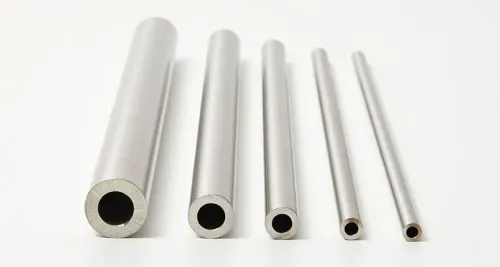
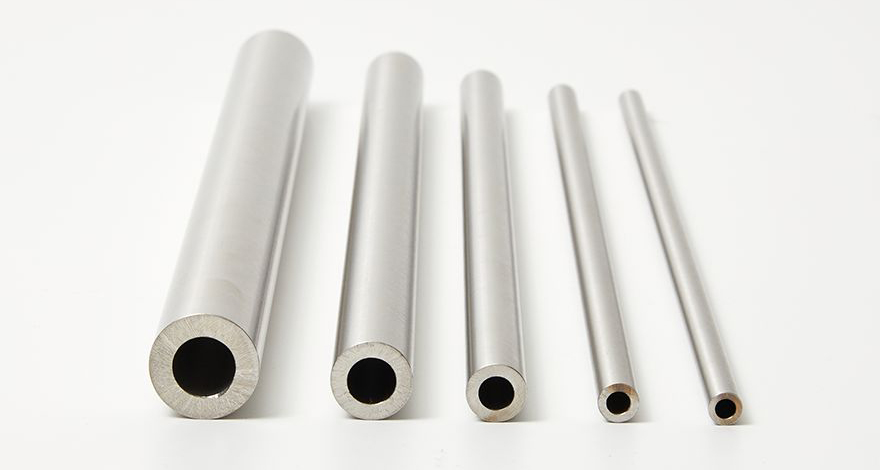
A buyer comparing stainless steel impulse tube in mumbai should specify instrument-tubing dimensions, not ordinary process-pipe dimensions. State the outside diameter, wall thickness, inside diameter, allowable temperature, design pressure and connection size; compression fittings depend on accurate OD, roundness and a clean, smooth surface.
Use annealed 316L when the route requires controlled bends around a manifold or transmitter. Follow the supplier’s minimum bend radius, keep bends away from fitting bodies, and reject ovalized sections: over-bending can prevent ferrules from sealing. Support long runs, avoid vibration and protect the tube from impact.
Seamless construction removes a longitudinal weld from the tube body, but poor fitting assembly or a badly prepared end can still create the leak. Pressure capacity still requires calculation from dimensions, temperature and allowable stress under the governing code.
What to specify: dimensions, standards and seamless construction
Specify 316L by outside diameter, wall thickness, heat-treatment condition, surface finish and connection size—not simply as “316L impulse tube.” State the required edition of ASTM A269/A269M, whether seamless construction is mandatory, the test requirements, allowable temperature and design pressure.
Check pressure under ASME B31.3 using the actual diameter, wall, material allowable stress and temperature; a generic supplier table is not a design calculation.
Before ordering, compare:
- Outside diameter, inside diameter, wall thickness and tolerance against the compression fitting or manifold.
- Annealed condition and the supplier’s minimum bend radius; bending too tightly can ovalize the tube and cause a fitting leak.
- Surface finish, cleanliness, hydrostatic or nondestructive test method, and tube-length tolerance.
- EN 10204 3.1 material certificate showing heat number, chemistry and mechanical results.
- ASTM A213 or ASTM A789 compliance when the project specification calls for those standards instead of ASTM A269/A269M.
Seamless construction earns its premium when the project prohibits a longitudinal weld, the line faces demanding pressure or temperature service, or weld-zone concerns carry costly failure consequences.
| Construction | Cost and manufacturing | Choose it when |
|---|---|---|
| Seamless | Higher processing cost; no longitudinal weld | The specification requires it or weld elimination has clear safety value |
| Welded | Usually lower cost with strong dimensional control | Qualified tubing passes the required tests and the service is moderate |
| Either | Compare traceability, finish, testing and lead time | Total installed cost matters more than the label |
Ask every seamless impulse tube supplier for these records. A 316L impulse tube supplier in Mumbai should also explain availability, bendability and fitting compatibility before quoting.
Match the tube to seawater, chemicals and process gases
316L suits clean, dry process gases, hydrocarbons, many organic chemicals, and mildly contaminated water. Its 2–3% molybdenum improves chloride-pitting resistance over 304L, while low carbon supports welded connections. That makes 316l ss seamless impulse tubes in mumbai a practical default for exposed lines, but not a seawater guarantee.
| Service or material | When it fits | Main caution |
|---|---|---|
| 316L | Coastal air, condensate, process gases, moderate chlorides and many chemicals | Pitting and crevice attack remain possible |
| 304L | Dry, non-chloride service where cost matters | Chloride deposits can pit it faster |
| 316 | Limited welding and a code benefit from its higher carbon strength | It is not more chloride-resistant than 316L |
| Duplex stainless steel | Seawater, brines, high chlorides or higher pressure | Confirm welding, heat treatment and fitting compatibility |
| Copper or nickel alloy | Compatible clean gases or aggressive chemical duty | Ammonia, sulfides, acids or seawater can attack copper |
Do not use 316L as an automatic choice for raw seawater, wet chlorine, hydrochloric acid, concentrated caustic, or stagnant chloride solution. Check temperature, concentration, oxygen, velocity and contamination before selecting the alloy; wet gas can be more corrosive than dry gas.
Deposits under clamps, trapped moisture and poorly drained impulse legs create crevices even in 316L.
For stainless steel impulse tube in mumbai, match the tube to the compression fitting manufacturer’s material and dimensional limits. Consider duplex or a nickel alloy when pitting, crevice corrosion or stress-corrosion cracking remains credible after improving drainage and cleaning.
How Mumbai buyers can screen a supplier and receive usable tubing
A 316L impulse tube supplier in Mumbai should provide a heat number that follows the tube from mill certificate to bundle label and invoice. Request an EN 10204 3.1 certificate showing 316L chemistry, including carbon not above 0.03%, plus ASTM A269/A269M compliance, outside diameter, wall thickness, heat-treatment condition and test results.
Before dispatch, specify cleanliness rather than accepting “bright finish.” Tubes should arrive capped, dry and free from drawing oil, scale, chips and moisture; ask how the supplier cleans, inspects and protects the internal bore. Contamination left inside a small-bore line can restrict flow to a transmitter.
Check compatibility with the exact compression fitting, manifold and valve system:
- Match outside diameter, wall thickness, roundness and hardness to the fitting manufacturer’s limits.
- Confirm annealed condition and the supplier’s minimum bend radius; bending too tightly or close to a ferrule can ovalize the tube and cause leaks.
- Ask for hydrostatic or eddy-current testing records, dimensional inspection results and a clear nonconformance policy.
Rajveer Metals can be compared with any seamless impulse tube supplier in Mumbai using those documents rather than catalogue language. Price the installed line, not only the tube: include fittings, supports, cutting, deburring, bending, freight, lead time, flushing, rework and the cost of a failed pressure test.
A cheaper tube loses its advantage when poor dimensional control forces replacement of fittings or delays commissioning.
Related products
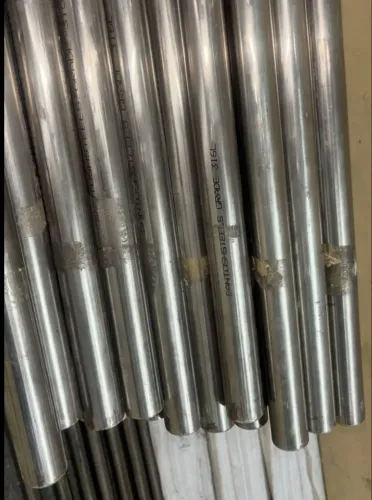
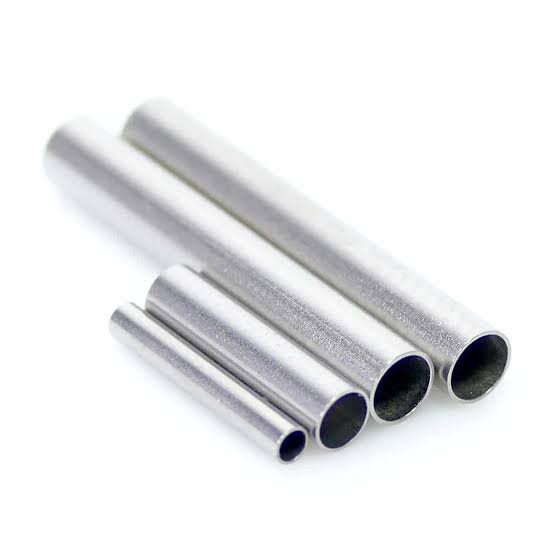 | Stainless Steel Seamless Tube Stainless steel 316L impluse tube Rajveer metals is one of the renowned exporter, manufacturer, stockist, supplier and stock holder of a qualitative range of Stainless Steel 316L... |
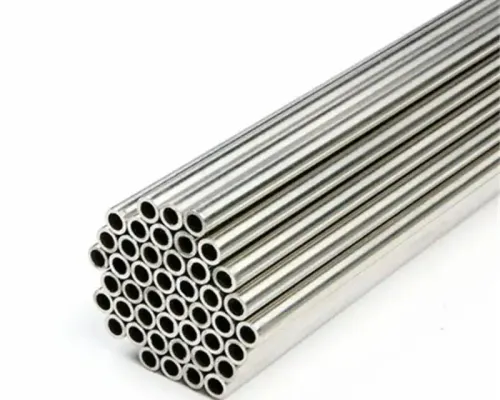
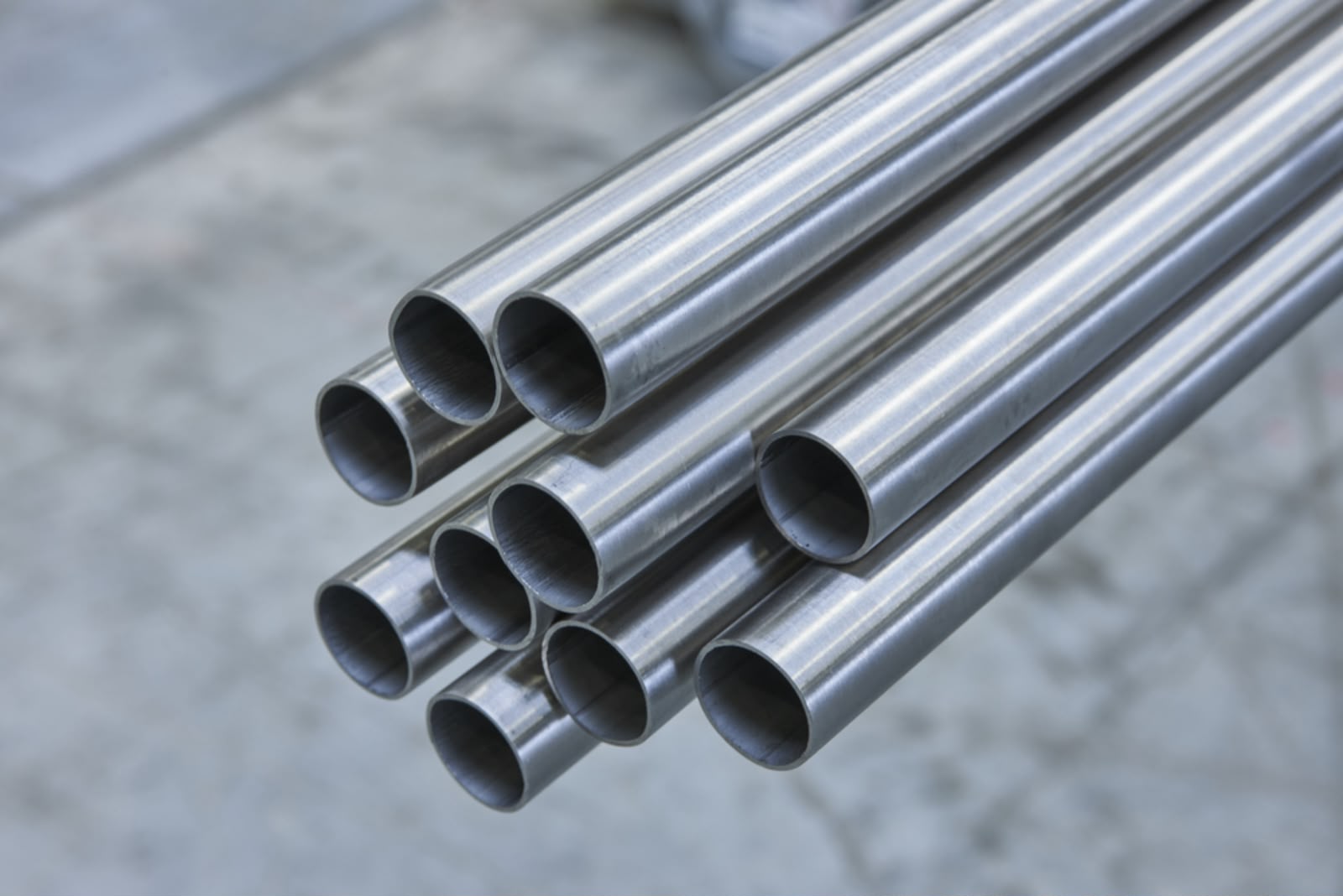 | Stainless Steel Seamless Tube Stainless steel impluse tube Stainless steel (SS) impulse tubing serves as the critical communication channel in process industries, connecting process pipelines to field... |
Frequently asked questions
Why is 316L preferred for exposed impulse lines in Mumbai?
Its molybdenum-bearing chemistry provides better resistance to chloride-assisted pitting than 304L, while its 0.03% carbon limit supports corrosion resistance after welding.
How does impulse tubing affect pressure measurement accuracy?
Incorrect tube diameter, excessive length, leaks, blockages and poor routing can delay pressure transmission or create measurement errors. Keep the line clean, leak-free and correctly supported.
What should you specify when buying 316L seamless impulse tubing?
State the outside diameter, wall thickness, length, finish, dimensional tolerance, applicable ASTM specification and seamless construction. Request heat traceability and material test documentation.
How should Mumbai buyers screen a 316L impulse tube supplier?
Check grade and heat-number traceability, mill test certificates, dimensional inspection records, pressure or leak-test evidence, packaging and capped tube ends before accepting delivery.
Related products
 | SS Seamless tubes SS Seamless tubes SS Seamless Tubes are high-quality stainless steel tubes manufactured without any welded joints, providing excellent strength, durability, and... |
 | Stainless Steel Seamless Tube 16mm stainless steel tube 316 We are stockiest & Suppliers of SS Tube 16mm OD from Mumbai, India. |
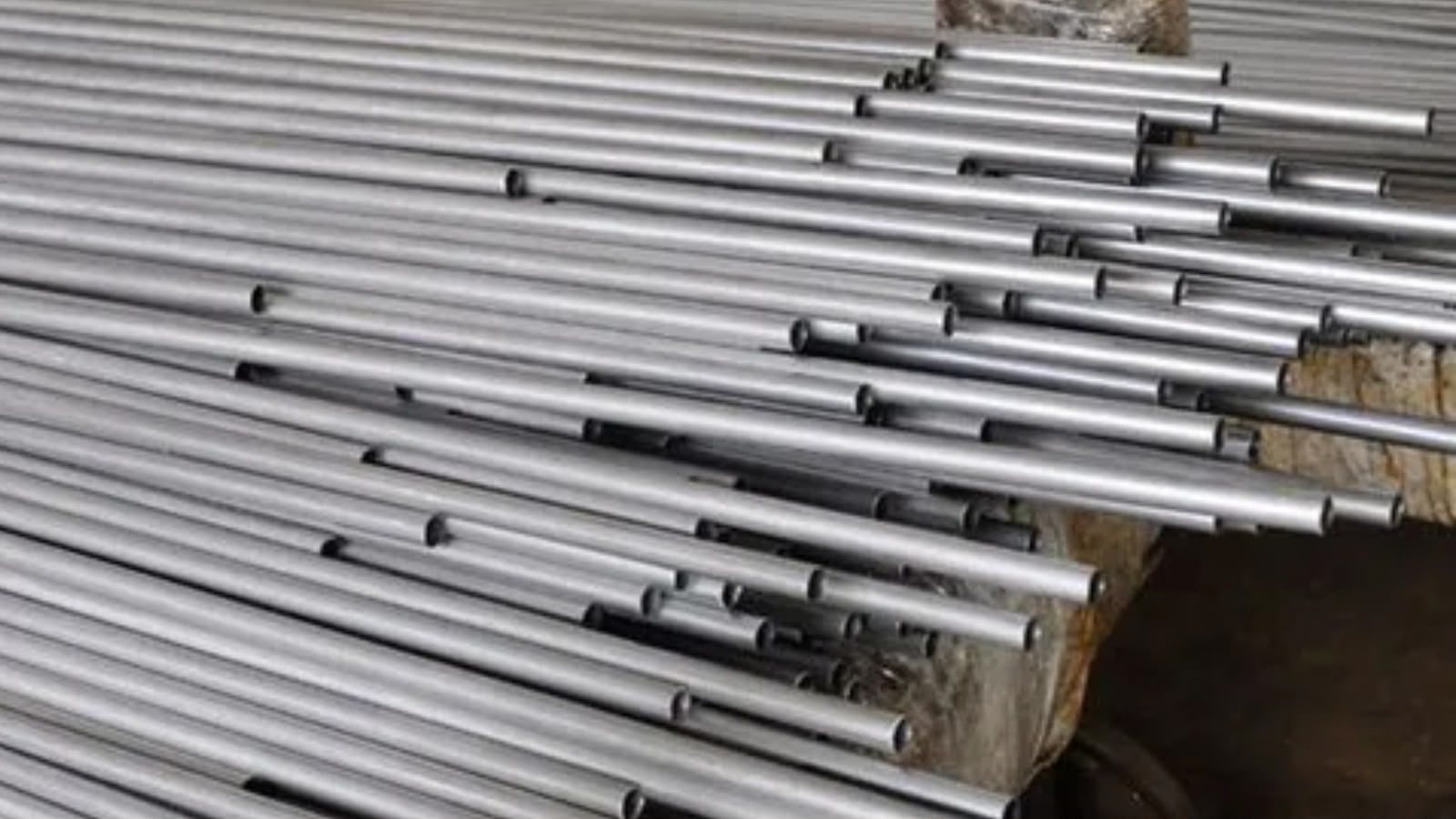 | Stainless Steel Seamless Tube 6.35mm Stainless steel seamless tube 6.35 mm SS Seamless Tubes – All Grades Premium Quality Stainless Steel Seamless Tubes in 6.35 mm Size We are a reliable supplier of 6.35 mm Stainless... |
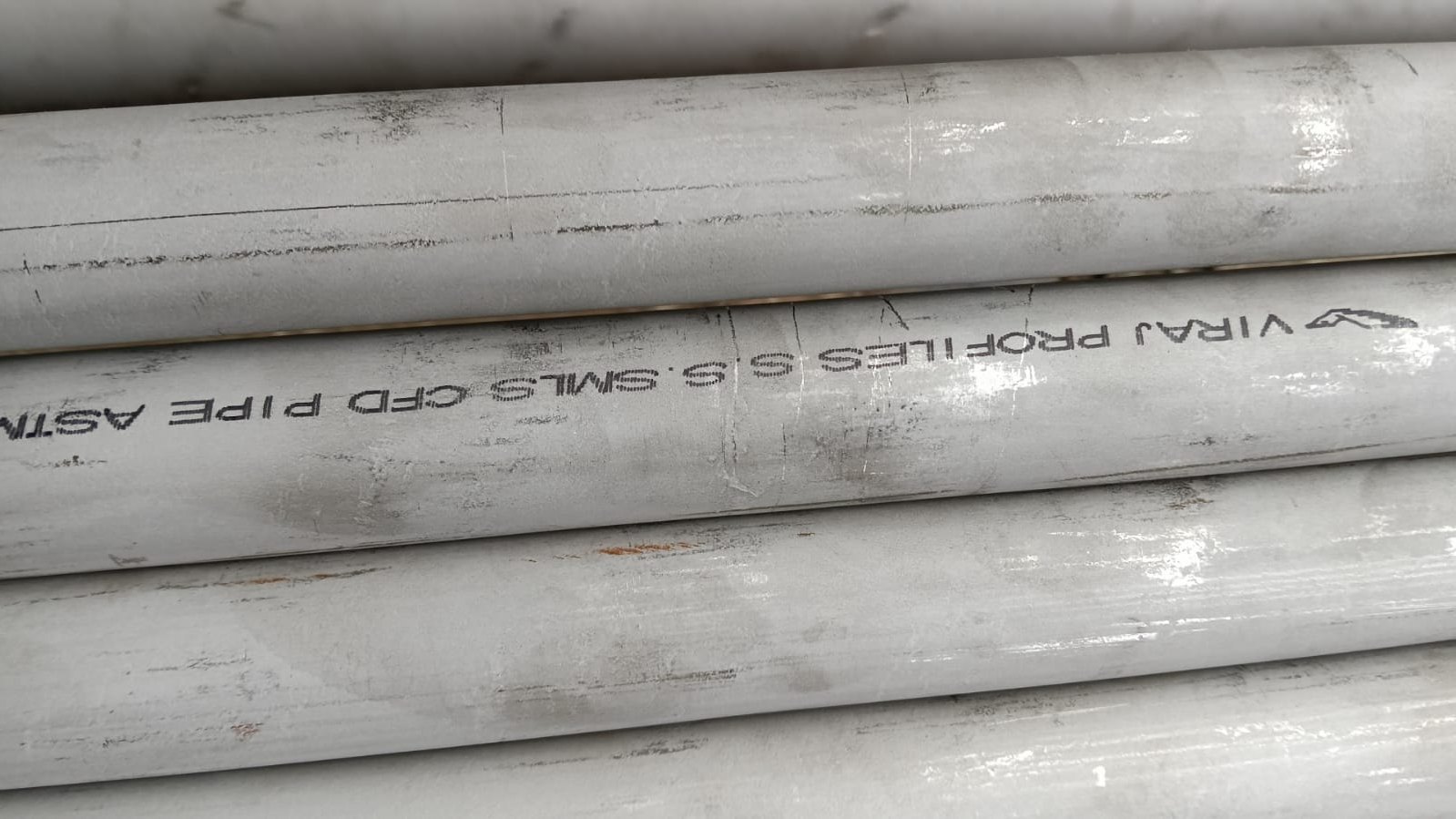 | Stainless Steel Seamless Pipe Stainless Steel Seamless Pipe 316l Stainless Steel Seamless Pipe is a high-strength and corrosion-resistant piping solution manufactured without any welded joints. |