
Choose seamless tubing when the pressure boundary, leakage consequence, cyclic loading, fluid chemistry or documentation requirement justifies it—not simply because the word “instrumentation” appears on a purchase order. By the end, you will be able to compare seamless with welded tubing, pipe and hose, select a suitable grade and size, and write a specification that can be checked at delivery.
Key takeaways
- Choose seamless tubing when pressure-boundary failure has serious consequences.
- Use 316L for chloride exposure or processes that demand improved weld corrosion resistance.
- Specify tube dimensions, fittings, pressure rating and connection method together.
- Compare suppliers by traceability, inspection documents and installation risk—not metre price.
Use a decision rule based on failure consequences, not the word “seamless”
Choose seamless impulse tubing when a pressure-boundary failure would cause serious injury, an uncontrolled chemical release, a plant trip, or an unreliable safety signal. The advantage is removing the longitudinal weld and its heat-affected zone from the tube wall; it is not a guarantee against leakage.
Use this decision rule:
- Choose seamless for severe pressure cycling, pulsation, vibration, aggressive fluid, high consequence leakage, or service where weld-zone variability is unacceptable.
- Accept qualified welded tubing when pressure and temperature are controlled, the weld is inspected, the tube passes the specified hydrostatic or nondestructive test, and the compression fitting matches its dimensions.
- Reject pipe when its outside diameter, wall thickness, bore, or fitting compatibility does not suit the instrument connection. A 316L pipe is not automatically a 316L impulse tube.
- Reject flexible hose for permanent impulse runs when ageing, permeation, movement, or changing internal volume could distort the measurement.
| Option | Main risk or advantage | Choose it when |
|---|---|---|
| Seamless impulse tubing | No longitudinal weld in the pressure boundary | Leakage consequences or cyclic loading are severe |
| Welded tube | Weld quality and fitting compatibility control performance | A qualified, tested product meets the service design |
| Flexible hose | Ageing, permeation and movement | Short, supported connections need flexibility |
For any stainless steel impulse tube, specify outside diameter, wall thickness, grade, temper, surface condition and test requirement. ASTM A269/A269M provides a useful baseline; confirm the fitting maker’s dimensional limits and installation instructions. Tube ends, ovality, scratches and vibration still cause field leaks.
Match 304, 316 and 316L to Chennai exposure and process chemistry
Choose 304 for a dry, sheltered installation with clean process chemistry and no chloride deposits. Choose 316 when coastal air, salt-laden condensate or chloride contamination can reach the tube. Choose 316L when that chloride service also includes welded connections, heat-affected zones or repeated thermal cycling.
| Grade | Chennai exposure or process condition | Decision |
|---|---|---|
| 304 | Inland, dry service; clean instrument air or non-aggressive process fluids | Cost-effective when chlorides and chemical contamination are controlled |
| 316 | Coastal atmosphere, chloride-bearing condensate, salt spray or contaminated wash areas | Preferred over 304 for molybdenum-assisted pitting resistance |
| 316L | Chloride service with welded manifolds, fittings, fabrication heat or corrosion-sensitive process duty | Low carbon reduces weld-zone sensitisation risk; specify it when post-weld corrosion matters |
316L is not immune to failure. Stagnant chloride deposits, crevices beneath clamps, contaminated surfaces and hot wet-dry cycles can still cause pitting or crevice corrosion in a 316L impulse tube. A higher-alloy grade or non-metallic tubing is the safer answer when concentrated acids, caustics, sulfur compounds or oxidising chemicals exceed the grade’s compatibility.
Check these separately before ordering a stainless steel impulse tube:
- Chloride concentration and deposits
- Acid, caustic, sulfur and oxygen exposure
- Operating temperature and thermal cycles
- Wet-dry periods, flow stagnation and external contamination
- Whether fittings, supports and welded joints match the selected grade
Temperature alone does not justify 316L. Review chemistry at the actual operating temperature, not only the ambient Chennai condition.
Specify OD, wall thickness and connection details as one system
Select the tube by outside diameter, wall thickness and fitting system together. Common sizes such as 1/4, 3/8 and 1/2 inch OD do not establish pressure capability or response performance by themselves.
| Item | What it identifies | What it does not prove |
|---|---|---|
| Tube OD | The measured outside dimension for the fitting and support layout | Pressure rating |
| Nominal pipe size | A pipe trade designation, such as 1/2-inch NPS | The actual tube OD, bore or allowable pressure |
| Pressure capability | A result based on OD, wall, temperature, material and design code | A guarantee from the nominal size alone |
Specify wall thickness from the design pressure, temperature, material properties and governing code, then check the resulting bore against the transmitter manufacturer’s response-time limit. A long, small-bore line reduces transmitted flow and increases lag; a larger bore improves response but adds volume, heat loss and installation cost.
Write the purchase line with these details:
- Tube OD and wall thickness, in millimetres or inches
- 304, 316 or 316L grade, plus temper and surface condition
- Seamless impulse tubing requirement and pressure-test requirement
- Fitting series, ferrule arrangement, tube material compatibility and instrument-port thread
- Maximum line length, support spacing and any vibration or pulsation limits
Do not mate a 316L impulse tube to a compression fitting by thread size alone. Confirm that the tube hardness, ovality, wall tolerance and surface finish fall within that fitting manufacturer’s limits. Mixed ferrules and bodies can produce poor make-up and leakage even when the nominal connection appears correct.
Write a purchase specification that proves what you are receiving
Put the acceptance evidence in the purchase order, not just “316L seamless tube.” For SS seamless impulse tubes in Chennai, cite ASTM A269/A269M and state the required outside diameter, wall thickness, tolerance, surface finish and end condition.
- Request an EN 10204 Type 3.1 material certificate where project rules require it, showing heat or cast number, chemical composition and mechanical properties.
- Specify the applicable hydrostatic test or eddy-current/electrical nondestructive test, with results linked to each heat number.
- Require dimensional inspection records for outside diameter, wall thickness and ovality, plus confirmation of heat treatment.
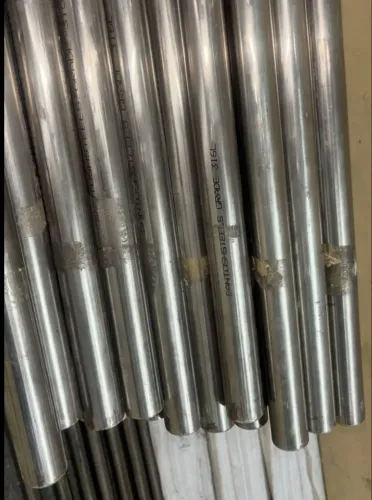
- Require capped, clean packaging and permanent heat identification on the tube or bundle. A certificate without traceability does not prove what arrived.
Check the delivery before releasing it to installation.
| Evidence | Qualified seamless supply | Welded or undocumented warning |
|---|---|---|
| Standard | ASTM A269/A269M stated on the order and certificate | No standard, or only “instrumentation grade” |
| Identity | Heat number matches tube markings and certificate | Mismatched, missing or handwritten identification |
| Integrity | Specified hydrostatic or eddy-current result | No test record, or an unexplained weld line |
| Dimensions | Calibrated OD, wall and ovality checks pass | Tube will not enter the fitting gauge or wall varies |
| Condition | Clean bore, smooth ends, caps intact | Oil, scale, burrs, dents or open packaging |
Use PMI at receipt to detect a wrong grade, not to replace wall measurement, pressure testing or cleanliness checks. An instrumentation tube supplier in Chennai that cannot provide this evidence is offering stock, not a verifiable specification.
Compare Chennai suppliers by delivered installation risk, not metre price
Do not compare quotations until each supplier proves that the tube is available, qualified and ready for installation. A lower metre price disappears when your team sorts mixed heats, replaces contaminated lengths, waits for missing certificates or recalibrates instruments after a plugging-related response error.
| Check | Evidence to request | Delivered-cost consequence |
|---|---|---|
| Qualified availability | Stock by OD, wall thickness, grade and temper; promised dispatch date | Prevents project delay disguised as “in stock” |
| Traceability | Heat or cast number, EN 10204 Type 3.1 certificate, chemistry, mechanical results and dimensional inspection | Avoids rejection and field segregation |
| Integrity | ASTM A269/A269M compliance plus hydrostatic or eddy-current test records | Reduces leak testing, replacement and commissioning risk |
| Cleanliness | Capped ends, sealed packaging, internal cleaning or degreasing record where specified | Prevents plugging from dust, oil or chloride-bearing debris |
| Installation fit | Sample dimensions, surface condition, fitting compatibility and recommended support practice | Limits leaks, tube damage and transmitter response problems |
For SS seamless impulse tubes in Chennai, also compare lead time for replacement lengths, not only initial stock. A small bore over a long run can increase lag and plugging risk; ask the supplier to confirm your transmitter’s response limits before accepting a cheaper size.
Ask an instrumentation tube supplier in Chennai for this evidence in the quotation. Rajveer Metals belongs in the same comparison: judge its delivered documentation, packaging and dimensional consistency rather than its catalogue range.
Related products
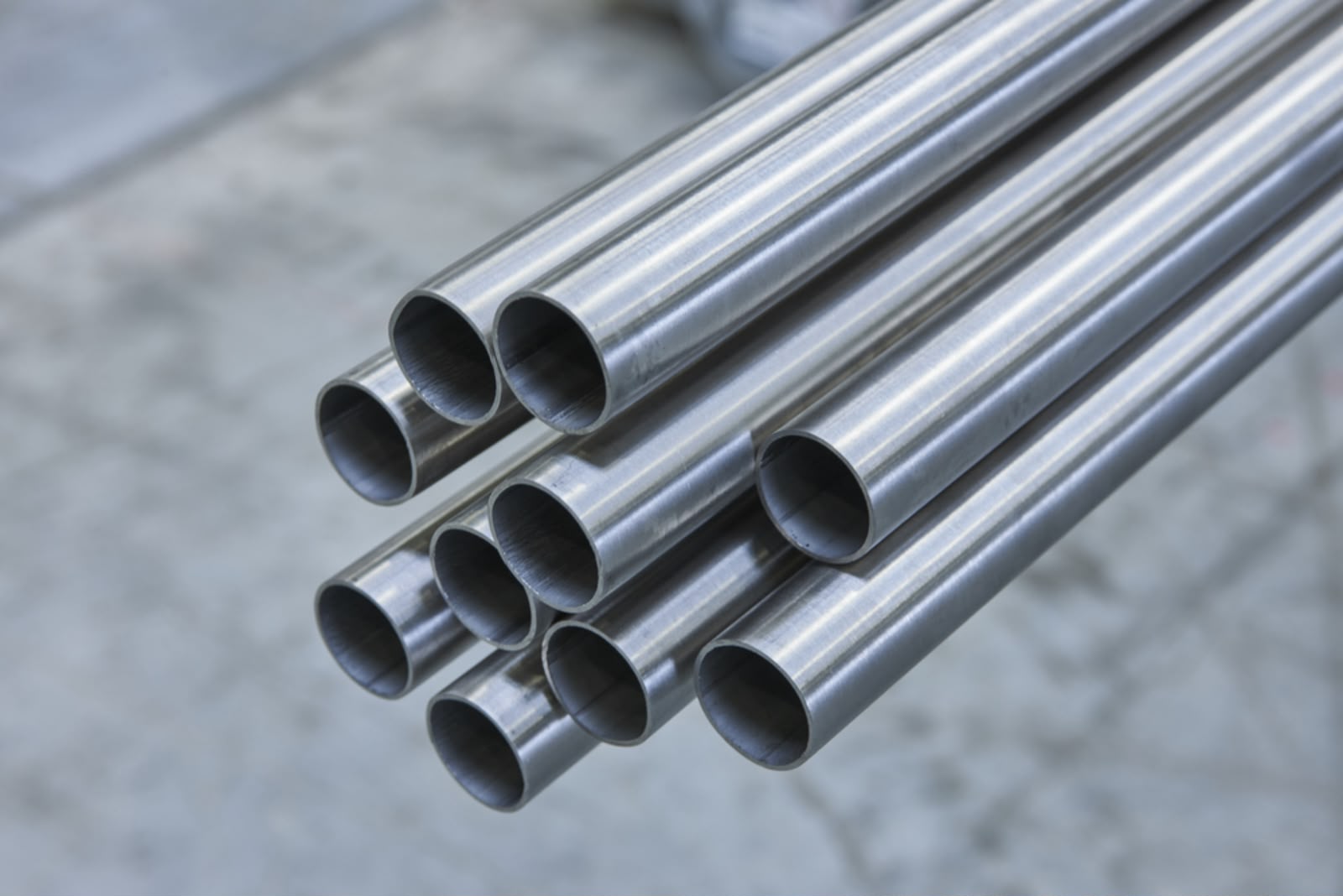 | Stainless Steel Seamless Tube Stainless steel impluse tube Stainless steel (SS) impulse tubing serves as the critical communication channel in process industries, connecting process pipelines to field... |
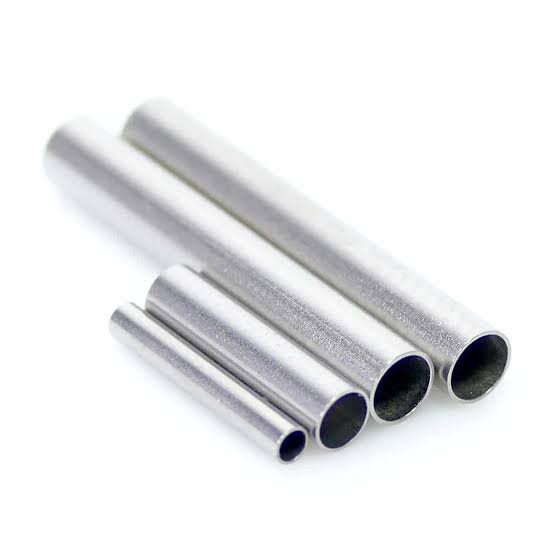 | Stainless Steel Seamless Tube Stainless steel 316L impluse tube Rajveer metals is one of the renowned exporter, manufacturer, stockist, supplier and stock holder of a qualitative range of Stainless Steel 316L... |
Frequently asked questions
When should you choose seamless impulse tubing instead of welded tubing?
Choose seamless impulse tubing when a tube failure could cause injury, chemical release, plant shutdown or an unreliable safety signal. Removing the longitudinal weld reduces one potential weakness, but correct installation remains essential.
How do you choose between 304, 316 and 316L impulse tube?
Choose 304 for milder, low-chloride service; choose 316 for greater resistance to chlorides and aggressive plant environments; choose 316L when welding or improved resistance to sensitisation at welded connections matters. Confirm the process chemistry and chloride exposure before selecting the grade.
What details belong in an impulse tube specification?
State the stainless steel grade, seamless construction, outside diameter, wall thickness, length, surface finish, pressure and temperature conditions, end connections, fitting material, tube bending requirements and inspection documents.
How should you compare instrumentation tube suppliers in Chennai?
Compare delivered installation risk: verify material traceability, dimensional inspection, certificates, packaging, fitting compatibility, lead time and technical support alongside the metre price.
Related products
 | SS Seamless tubes SS Seamless tubes SS Seamless Tubes are high-quality stainless steel tubes manufactured without any welded joints, providing excellent strength, durability, and... |
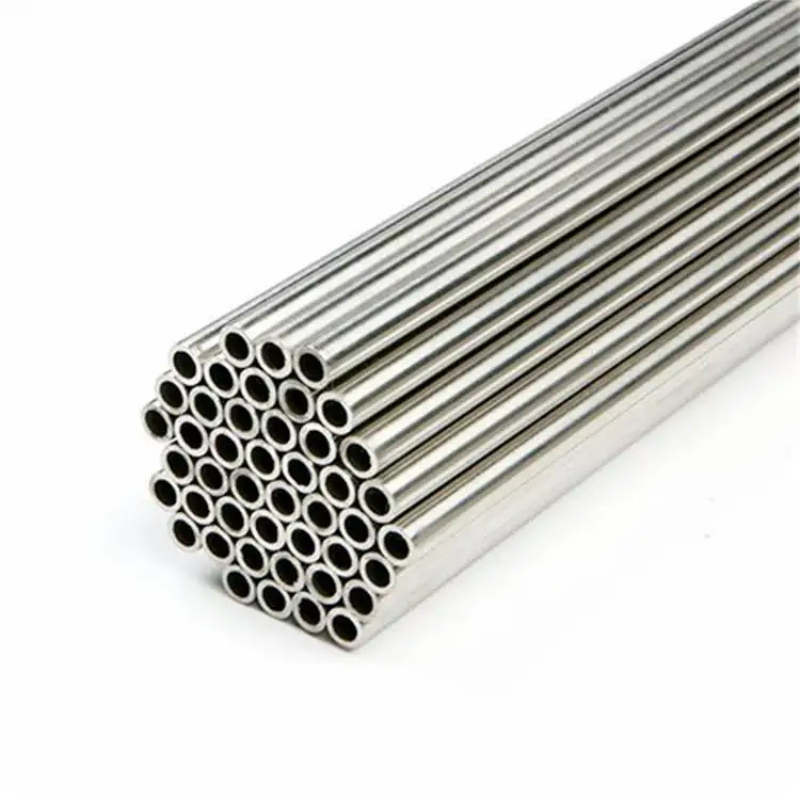 | Stainless Steel Seamless Tube Stainless steel small diameter tubes SS Small Diameter Tubes Precision. Quality. Performance. We specialize in stainless steel (SS) small diameter tubes engineered to meet the demanding... |
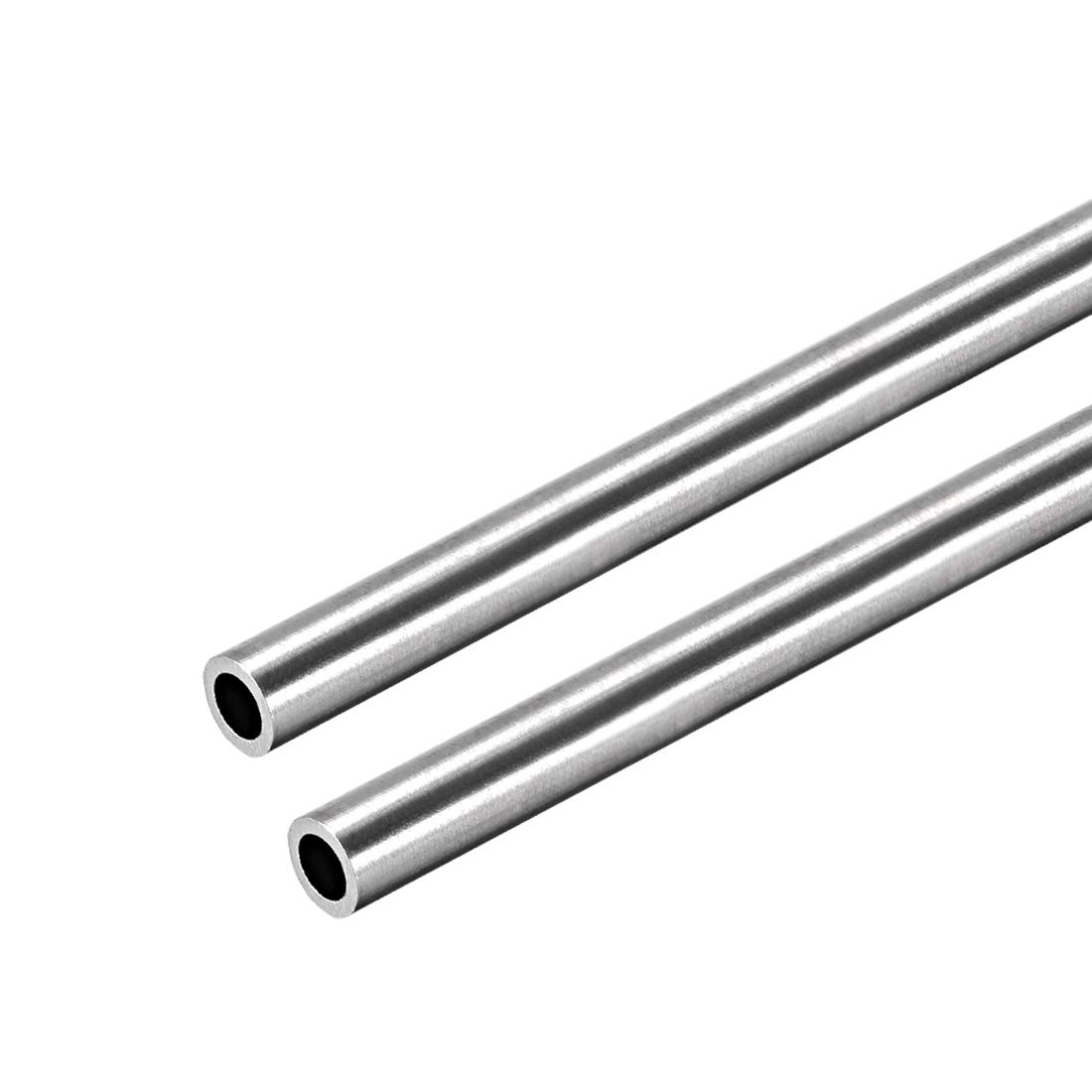 | Stainless Steel Seamless Tube 6mm Stainless steel seamless tube We offer high-quality 6mm Stainless Steel Seamless Tubes in Grade 304 and Grade 316, designed to deliver excellent corrosion resistance, durability,... |
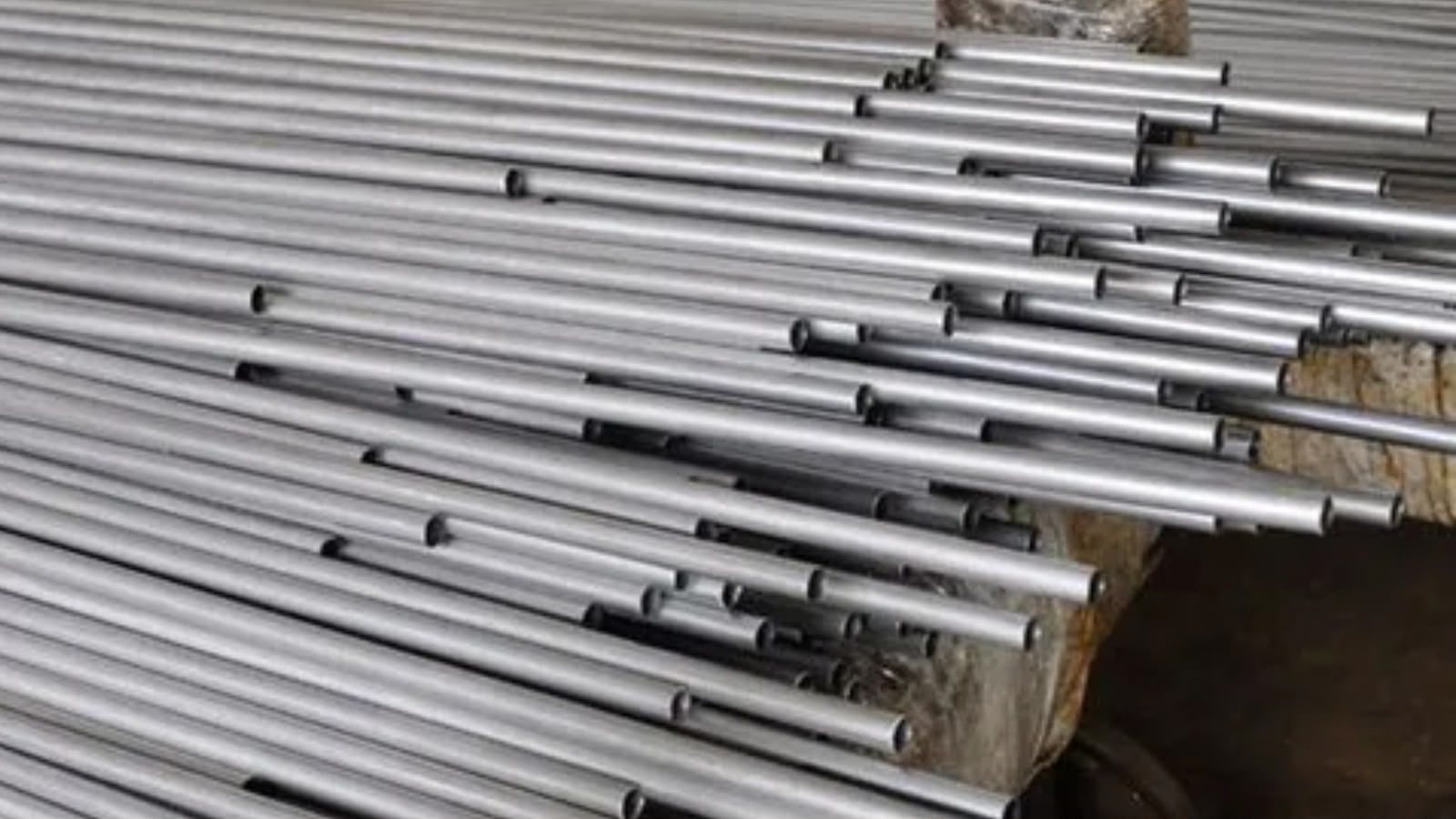 | Stainless Steel Seamless Tube 6.35mm Stainless steel seamless tube 6.35 mm SS Seamless Tubes – All Grades Premium Quality Stainless Steel Seamless Tubes in 6.35 mm Size We are a reliable supplier of 6.35 mm Stainless... |