
Suitability depends on the service, not on the word “seamless” alone. By the end, you will be able to match tube construction, grade, dimensions, fabrication method and inspection documents to a Bengaluru project’s load, pressure, temperature and exposure conditions.
Key takeaways
- Use seamless tubes when weld integrity, fatigue or leak prevention controls risk.
- Choose 304 for general service; specify 316 or 316L for chlorides and welding.
- State outside diameter, wall thickness, grade, standard, finish and test requirements.
- Control heat input, purge welds and inspect the finished assembly before service.
When are seamless tubes the right choice for Bengaluru conditions?
SS seamless tubes for fabrication in Bengaluru are the stronger choice when a longitudinal weld could govern safety, fatigue life or leak prevention—not simply because the project is outdoors or humid. Indoor frames, guards, handrails and supports often work well with welded tubing when loads are modest and corrosion is controlled.
- Start with the medium: water, hydraulic oil, steam, chemical solution or gas.
- Define operating pressure, temperature, cyclic loading, vibration, span, support spacing and connection loads.
- Name the design code and product standard, then require the specified grade, dimensions, heat-treatment condition and testing.
Hydraulic and impulse lines, instrumentation lines, process piping, heat exchangers, shafts and pressure-containing assemblies provide a stronger reason to specify seamless construction. The same applies to wet areas, chemical plants and high-humidity or coastal Karnataka exposure when the design also prevents stagnant pockets, crevices and deposits.
Seamless construction removes the longitudinal weld; it does not create a pressure rating or guarantee resistance to pitting, chloride attack or contamination.
For SS seamless tube applications in Bengaluru, match the tube to the service standard, such as ASTM A269/A269M for general corrosion-resistant tubing or ASTM A213/A213M for heat-exchanger service. Ask for documented hydrostatic or nondestructive testing when the applicable standard requires it.
A welded tube may remain the better choice for ordinary structural work if it offers the required dimensions, finish, availability and cost.
How do seamless and welded tubes compare in real fabrication work?
Seamless is not automatically better for a stainless steel seamless tube for fabricators. A sound welded tube can deliver tighter dimensions, smoother internal and external surfaces, easier bending control, wider availability and lower cost for frames, guards, low-pressure utility lines and architectural assemblies.
| Option | Weld integrity | Dimensional consistency and finish | Practical result |
|---|---|---|---|
| Welded tube | Longitudinal seam requires qualified welding and inspection | Usually tighter OD and wall control, with a smooth formed surface | Strong choice for frames, guards and many low-pressure assemblies |
| Seamless tube | No longitudinal weld to govern cyclic or pressure performance | Wall eccentricity and less uniform internal geometry can occur | Useful when the specification demands seamless construction or the service is high-integrity |
| Either construction | Grade, wall thickness, heat treatment and testing still control suitability | Surface treatment and forming quality vary by mill and process | Neither option creates a pressure rating or guarantees corrosion resistance |
The better choice depends on the failure risk: welded construction deserves scrutiny where cyclic pressure or fatigue makes the seam controlling, while seamless construction costs more without solving an unsuitable grade, thin wall or poor design.
For ss seamless tubes for industrial fabrication, compare bend radius, seam orientation, flattening, ovality, surface defects and actual lot availability rather than relying on the word “seamless.”
Do not confuse tube with pipe. An 8 mm tube normally means an actual 8 mm outside diameter; stainless pipe uses nominal pipe size and schedule under ASME B36.19M. An 8 mm tube is therefore not automatically interchangeable with NPS pipe or an A312 pipe certificate.
Should you choose 304, 316 or 316L for the service?
Choose 304 or 304L for indoor frames, guards, supports and moderately corrosive service. Choose 316 or 316L when chlorides, saline water, chemical contamination, frequent wetting or outdoor deposits raise the pitting risk. High humidity around Bengaluru matters when moisture remains on the tube, but location alone does not decide the grade.
The same rule applies to coastal Karnataka.
| Grade | Best fit | Critical limitation |
|---|---|---|
| 304 or 304L | Indoor fabrication and moderately corrosive service | Chlorides and deposits can cause pitting |
| 316 | Wet, saline, chloride-bearing or chemically contaminated service | Not immune to pitting, crevice corrosion or chloride attack |
| 316L | Welded assemblies in the same exposures as 316 | Reduced carbon limits sensitisation risk in the heat-affected zone, but does not replace correct fabrication |
Neither 304 nor 316 is immune to attack. Stagnant pockets, un-drained horizontal runs and tight crevices can damage either grade by retaining water and deposits. In SS seamless tube applications in Bengaluru, inspect the actual medium, cleaning chemical and drainage design rather than relying on “stainless” or “seamless” alone.
Specify 316L when welding makes sensitisation a concern, then state the required heat-treatment condition and post-weld surface treatment. Remove heat tint and restore the surface when the service requires it. Bleach and hypochlorite exposure need separate review; do not classify them simply as harsh cleaners.
A suitable grade can still fail if chloride-bearing residue, iron contamination or poor geometry remains.
How should you specify tube size, wall thickness and standard?
Choose dimensions from the design, not from a catalogue. For SS seamless tubes for industrial fabrication, calculate outside diameter and wall thickness from pressure, temperature, internal flow, bending load, span, buckling risk, support spacing and connection requirements. Check the applicable design code before ordering.
| Requirement | State in the order | Why it matters |
|---|---|---|
| Diameter | Actual outside diameter, such as 8 mm | Tube dimensions are not automatically pipe dimensions |
| Wall | Nominal or minimum wall thickness | Pressure, bending and wall-loss allowances depend on it |
| Length | Cut length, total quantity and permitted variation | Prevents unusable offcuts and fit-up errors |
| Supply | Tolerance, heat-treatment or supplied condition | Controls fit, forming and service performance |
| Ends | Plain, bevelled, threaded or prepared for welding | Matches the connection method |
Treat 6 mm, 6.35 mm and 8 mm as incomplete descriptions until the seller confirms whether each is outside diameter, inside diameter or another measurement. Schedule numbers belong primarily to nominal pipe dimensions; ASME B36.19M schedules do not replace a tube’s actual OD and wall specification.
Name the governing standard in the purchase order:
- ASTM A269/A269M: general corrosion-resistant tubing.
- ASTM A213/A213M: boiler, superheater and heat-exchanger tubes.
- ASTM A789/A789M: ferritic/austenitic stainless tubing, including specified chloride-service requirements.
- ASTM A312/A312M: stainless pipe, not automatically interchangeable with tube.
- EN 10216-5: pressure-purpose seamless tubes.
The application-specific standard controls, along with grade, testing and design code.
What fabrication and inspection controls protect the finished assembly?
Protect the finished assembly by controlling both fabrication damage and evidence of conformity. Cutting, drilling, threading and forming should use sharp stainless-dedicated tools; dull tooling increases heat and work hardening. Bending, rolling and forming must be checked for flattening, cracking and local wall thinning, especially in small-diameter or thin-wall tube.
| Operation | Main risk | Control |
|---|---|---|
| Cutting and drilling | Iron pickup, burrs and distortion | Stainless-only discs, drills, clamps and brushes; deburr without gouging |
| Bending and rolling | Flattening, cracking and wall thinning | Use the specified radius, support the tube and inspect the bend |
| TIG or orbital welding | Heat tint, distortion and contamination | Clean joint faces, control heat input and remove tint after welding |
Keep carbon-steel tools separate. Carbon-steel particles embedded in stainless surfaces produce iron contamination and later rust; thorough segregation is essential when dedicated equipment is unavailable. Remove heat tint mechanically or chemically, then pickle and passivate when the service or specification requires restored corrosion resistance.
At receipt, verify each bundle or length against the heat number and mill test certificate. Check grade, supplied condition, outside diameter, wall thickness, length, visual condition and internal surface. Require the specified hydrostatic or nondestructive test under the product standard.
PMI can expose a grade mix-up, but it cannot prove wall thickness, internal defects, pressure integrity or weld quality.
When comparing a seamless tube supplier in Bengaluru, assess lot availability, uncommon-grade lead time, minimum order quantity and replacement practicality. Rajveer Metals belongs on the comparison list only after its documents match the project standard and design code.
Related products
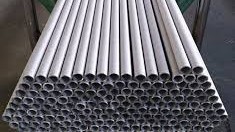 | SS Seamless tubes SS Seamless tubes SS Seamless Tubes are high-quality stainless steel tubes manufactured without any welded joints, providing excellent strength, durability, and... |
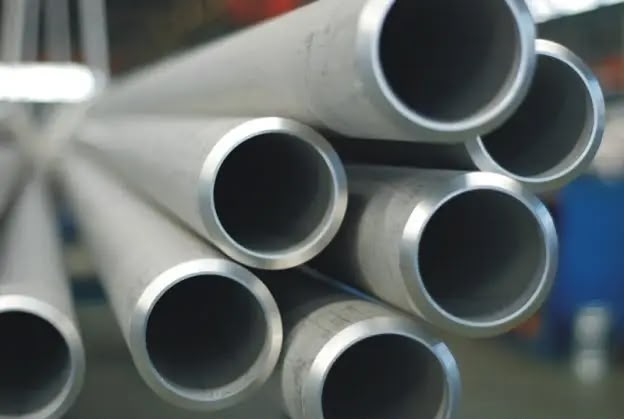 | Stainless Steel Tubes Stainless Steel 304 Seamless pipe Stainless Steel Tubes are durable, corrosion-resistant, and versatile products widely used in various industrial, commercial, and engineering... |
Frequently asked questions
When are SS seamless tubes suitable for Bengaluru fabrication projects?
Choose seamless tubes when a longitudinal weld could govern safety, fatigue life or leak prevention. Welded tubing suits modest-load indoor frames, guards, handrails and supports when corrosion is controlled.
How do seamless and welded tubes compare in fabrication work?
Seamless tubes avoid a longitudinal weld, while welded tubes can offer efficient sizing, availability and fabrication for lower-risk assemblies. Compare load, pressure, fatigue, corrosion exposure and weld inspection requirements before choosing.
Should you choose 304, 316 or 316L stainless steel tube?
Use 304 for general indoor and outdoor service with controlled chloride exposure. Choose 316 for stronger resistance to chlorides and coastal or chemical environments. Choose 316L when welding demands reduced carbon content to limit sensitisation risk.
What should you specify when ordering stainless steel seamless tubes?
State the outside diameter, wall thickness, grade, product standard, length, finish, dimensional tolerances, heat-treatment condition, test certificates and any pressure or inspection requirements.
Related products
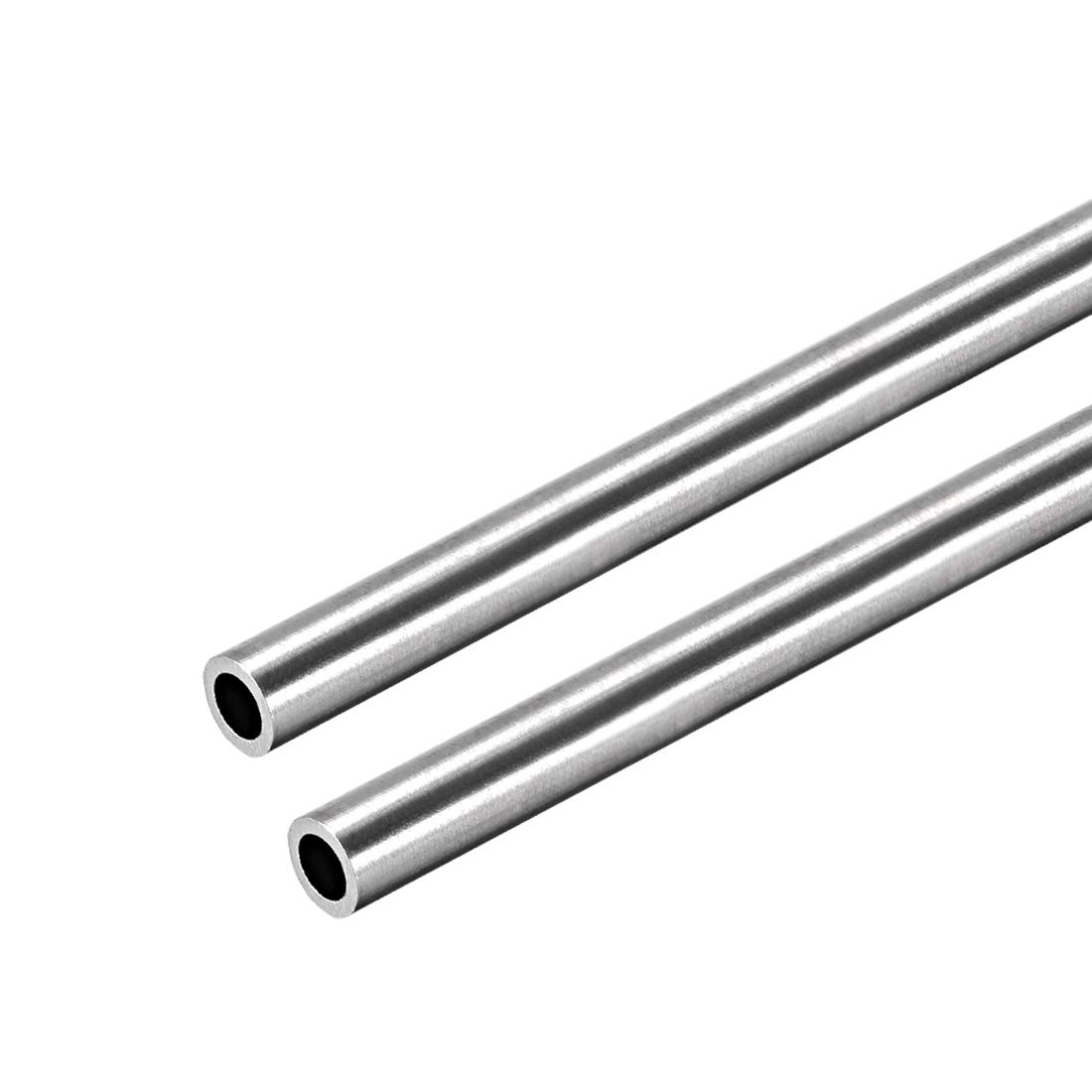 | Stainless Steel Seamless Tube 6mm Stainless steel seamless tube We offer high-quality 6mm Stainless Steel Seamless Tubes in Grade 304 and Grade 316, designed to deliver excellent corrosion resistance, durability,... |
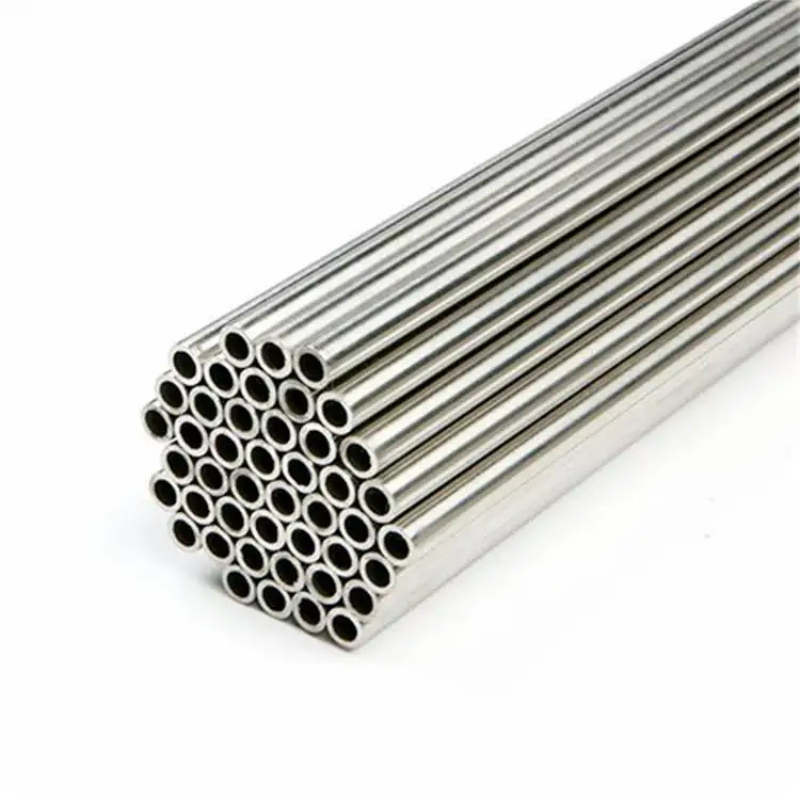 | Stainless Steel Seamless Tube Stainless steel small diameter tubes SS Small Diameter Tubes Precision. Quality. Performance. We specialize in stainless steel (SS) small diameter tubes engineered to meet the demanding... |
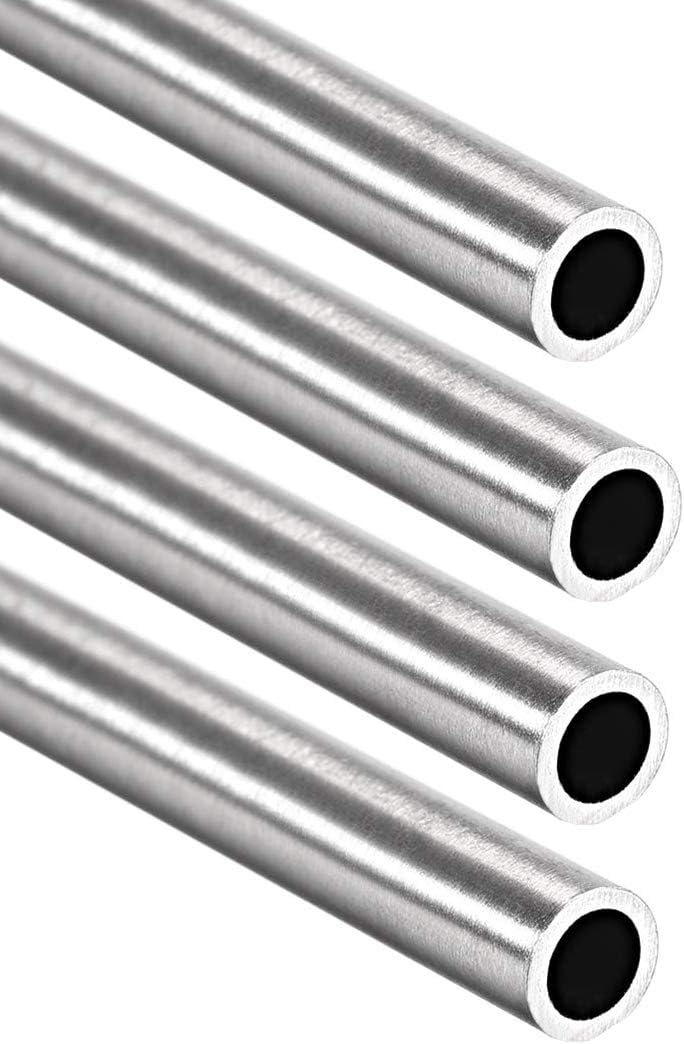 | Stainless Steel Seamless Tube 8mm Stainless steel seamless tube We are a trusted supplier of 8mm Stainless Steel Seamless Tubes in premium grades SS 304, SS 316 and SS 316L, designed to meet the demanding... |
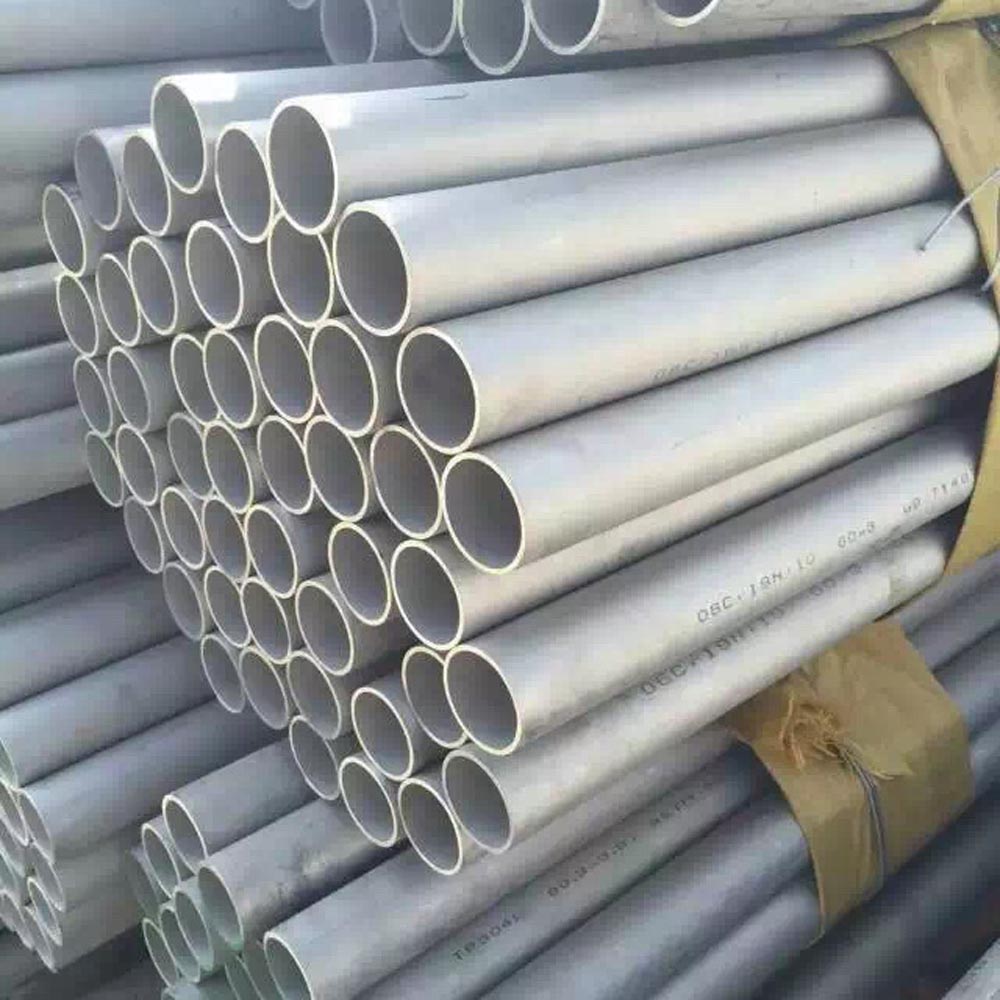 | Stainless Steel seamless pipes Stainless Steel Seamless Pipes Stainless Steel Seamless Pipe Suppliers in Mumbai, India ASTM A312m Seamless Tube, ASTM A312 SS Seamless Pipes Suppliers, Stainless Steel Pipes... |